Most fans are assembled. A Boshu uchiwa is divided: one stalk of medake bamboo from the hills of southern Chiba becomes the whole fan — the lower part kept round as the handle, the upper part split into 48 to 64 hair-fine ribs, woven with thread so a semicircular lattice window is left open in the face. It is one of Japan's three great uchiwa, the first craft in Chiba ever made a national Traditional Craft, and it gives Chiba its second story in this collection.
One stalk, no joins
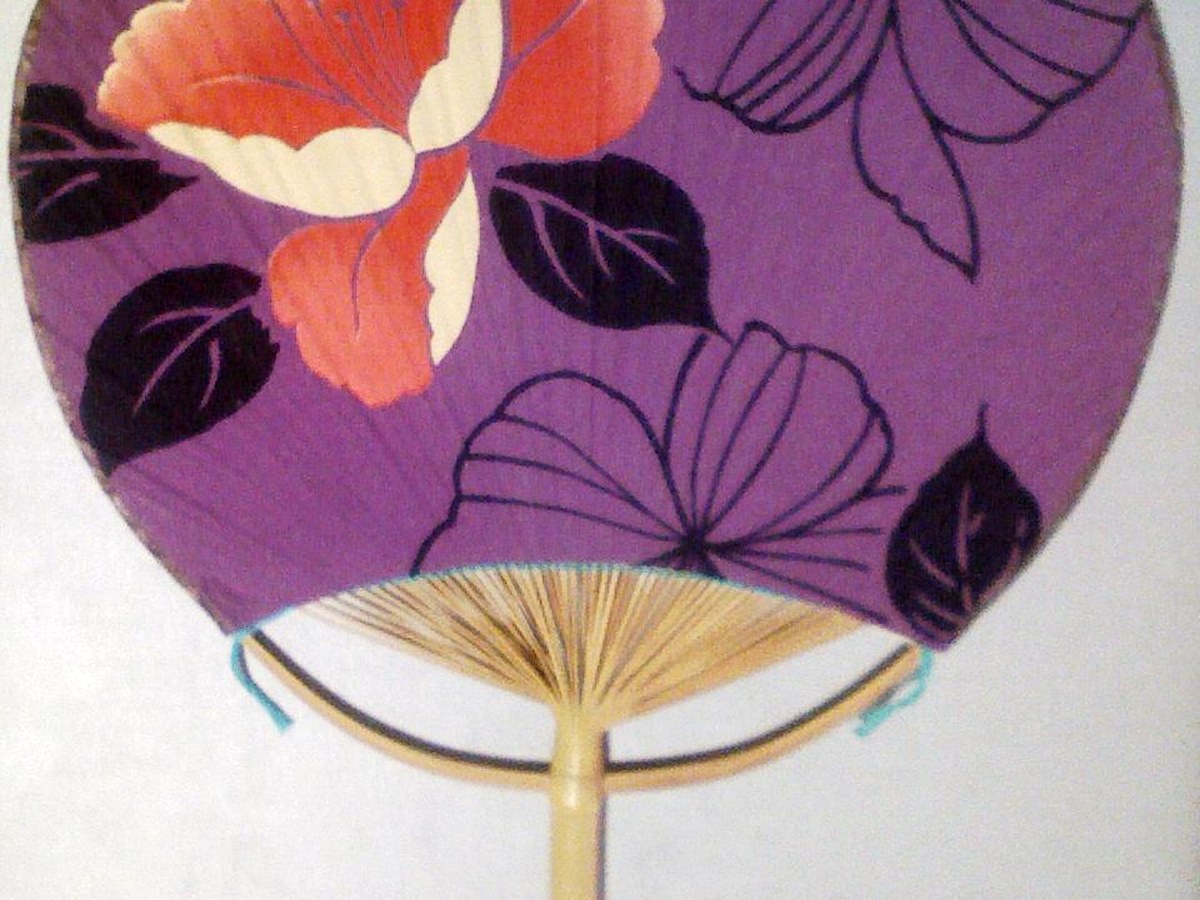
The two things to look for are the handle and the window. The handle (maru-e) is the bamboo itself, left in its natural cylinder, so it sits in the hand with a slight spring. Above it the stalk is split lengthways into 48 to 64 equal ribs, spread fanwise and stitched with thread; where the ribs are left bare near the handle they form the mado, a semicircular window of lattice that lightens the fan and lets air through — the feature the Tokyo Metropolitan Government's official Edo Tokyo Kirari store picks out first in its product notes.
The face was traditionally washi paper; today makers also paste yukata cotton and other cloth, which is why designs run from chrysanthemum yuzen paper to plant-dyed cotton. Every stage, from selecting the bamboo to the final pasting and trimming, is hand work, and the full making runs to 21 processes.
Frames for Edo, then a craft of its own
When fan-making began in Boso is honestly unsettled, and the sources say so: Chiba Prefecture's 1911 record puts bamboo frame-making in Nago, now part of Tateyama, in 1877; a 1918 source says craftspeople were invited from Tokyo in 1884; Tateyama City keeps a third account, of component-making around 1890 growing fuller by 1897. What is not disputed is the shape of the trade that followed — through the Meiji and early Taisho years Boso mostly shipped bamboo frames north to be finished in Tokyo.
The finishing moved south in two steps: a Nihonbashi wholesaler, Yokoyama Torakichi, relocated to Funakata in 1921 and set up complete local production, and after the Great Kanto Earthquake of 1923 wrecked Tokyo's wholesalers, production expanded across Tateyama and Minamiboso, where fan-making became prized home work in fishing villages such as Nago, Funakata and Tomiura. At its early-Showa peak the region sold some eight million fans a year, most of them summer gifts.
Practical details: what a real one costs
Buy from the makers the Boshu Uchiwa Promotion Council lists on its official site: the Boshu Uchiwa Hall in Minamiboso (by JR Iwai Station), workshop shops such as Uchiwa no Ota-ya in Tomiura — which also runs fan-making sessions, by advance contact — and Uchiwa Koubou Kazu in Tateyama, plus roadside stations around the two cities and the Sogo Chiba department store.
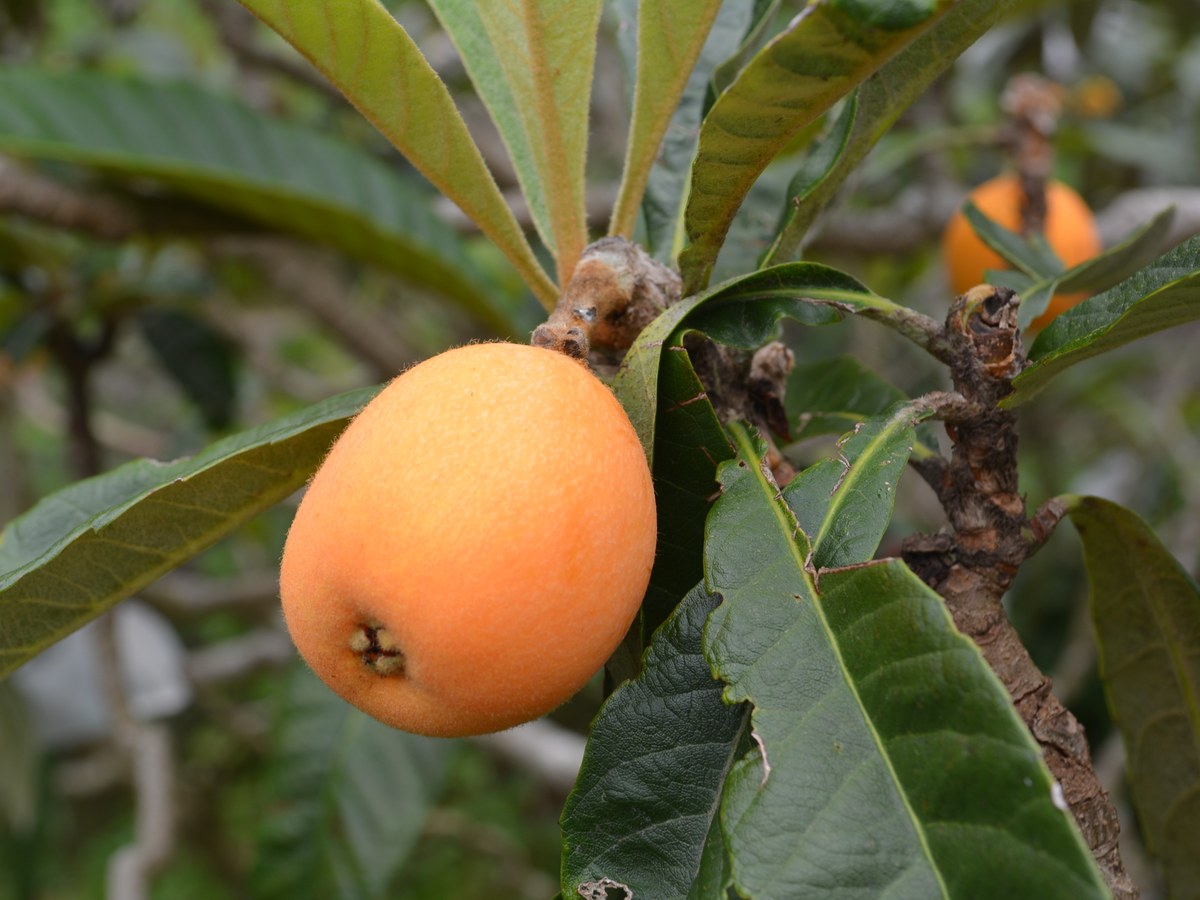
The council links to exactly one online maker-shop, Boshu Uchiwa Kagayaki, and its prices are the honest anchor: large round fans (41 x 29 cm) are mostly ¥3,600 — a loquat plant-dyed piece is ¥4,100 and a premium decorative fan faced with Chiba's intangible-heritage Tangsilk weave is ¥6,400 — medium fans (37 x 25 cm) are ¥3,100, and a short-handled portable fan is ¥2,600.
Why the breeze feels different
Makers and sellers repeat one claim with unusual consistency: because the ribs are split from springy medake and left uncut at their natural fineness, a Boshu uchiwa flexes slightly as you wave it, and the breeze arrives soft rather than chopped. It is the same single-stalk construction that produces the window — the elegance and the comfort are one decision, not two.
That is also why the designated form matters. A printed plastic fan cools you too, but it is not this object: no other uchiwa tradition in Japan builds handle and ribs from one piece of bamboo, and the designation of 17 March 2003 — Chiba's first — protects exactly that technique.
Planning a visit
Summer is the natural season, but the makers work and sell year-round. The Boshu Uchiwa Hall in Minamiboso is the craft's own base, with sales on site; exhibitions also appear at JR Tateyama Station's citizen gallery, and making experiences are offered at the roadside station Green Farm Tateyama and at Ota-ya in Tomiura (about a 22-minute walk, or a short bus ride, from JR Tomiura Station, per the prefecture's Visit Chiba guide).
If you buy in person, ask which cloth or paper the face carries and whether the fan bears the traditional-craft label — the council's listed shops will answer both without hesitation, and the answer is the difference between the designated craft and a souvenir lookalike.
Sources — checked 10 November 2026
- KOGEI JAPAN — Boshu Fans (Boshu Uchiwa)
- Boshu Uchiwa Promotion Council — official site
- Boshu Uchiwa Promotion Council — where to buy
- Boshu Uchiwa Kagayaki — maker's shop
- Visit Chiba — Uchiwa no Ota-ya
Original prose and official links only; no source text or maker media reproduced. Photos are credited Creative Commons works, not product photographs.
Editorial review 2026-11-10