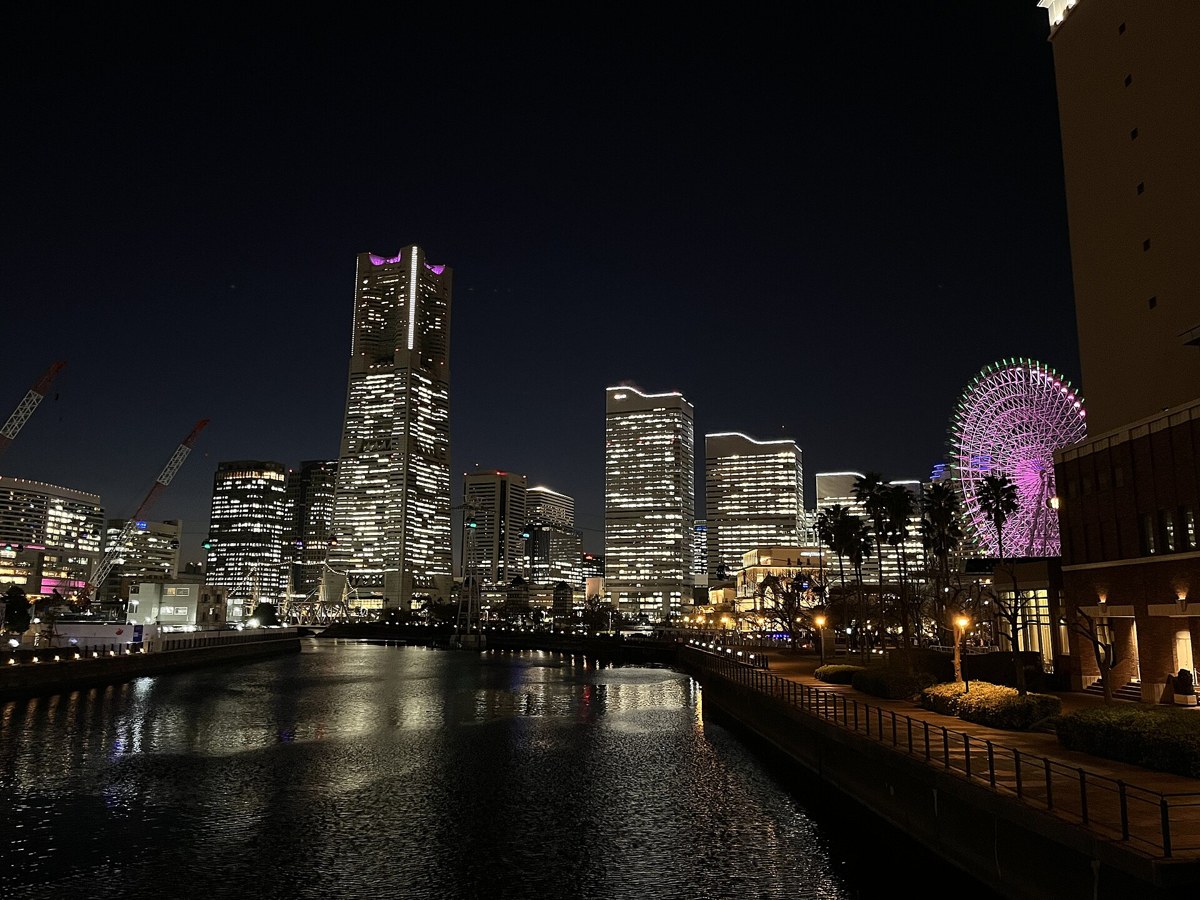
Some regional specialties are discovered. This one was commissioned — by its own maker, from itself. In 1928 the Yokohama food company Kiyoken decided its city needed a specialty and produced a small steamed dumpling to be it. Nearly a century later the dumpling is still made to the same recipe, and the city agreed with the decision. It gives Kanagawa its third story in this collection.
A specialty, invented on purpose
Kiyoken was founded in Yokohama in 1908, in the decades when the port was Japan's window to the world and its station food culture was forming. The company's signature product arrived twenty years later: the Old-Fashioned Shiumai, first sold in 1928. The verified directory's account of the maker is plain about the motive — the shiumai was born out of the desire to create a specialty of Yokohama. Not an import, not an accident: a dumpling designed to be a city's own.
Yokohama duly adopted it. The red-boxed shiumai became the standard Yokohama souvenir, the thing bought at the station on the way home, and the product has outlasted every fashion since — it is still sold under the same 'old-fashioned' name it now honestly deserves, a long-selling product since 1928 in the directory's own short verdict.
The same recipe, eight hundred thousand times a day
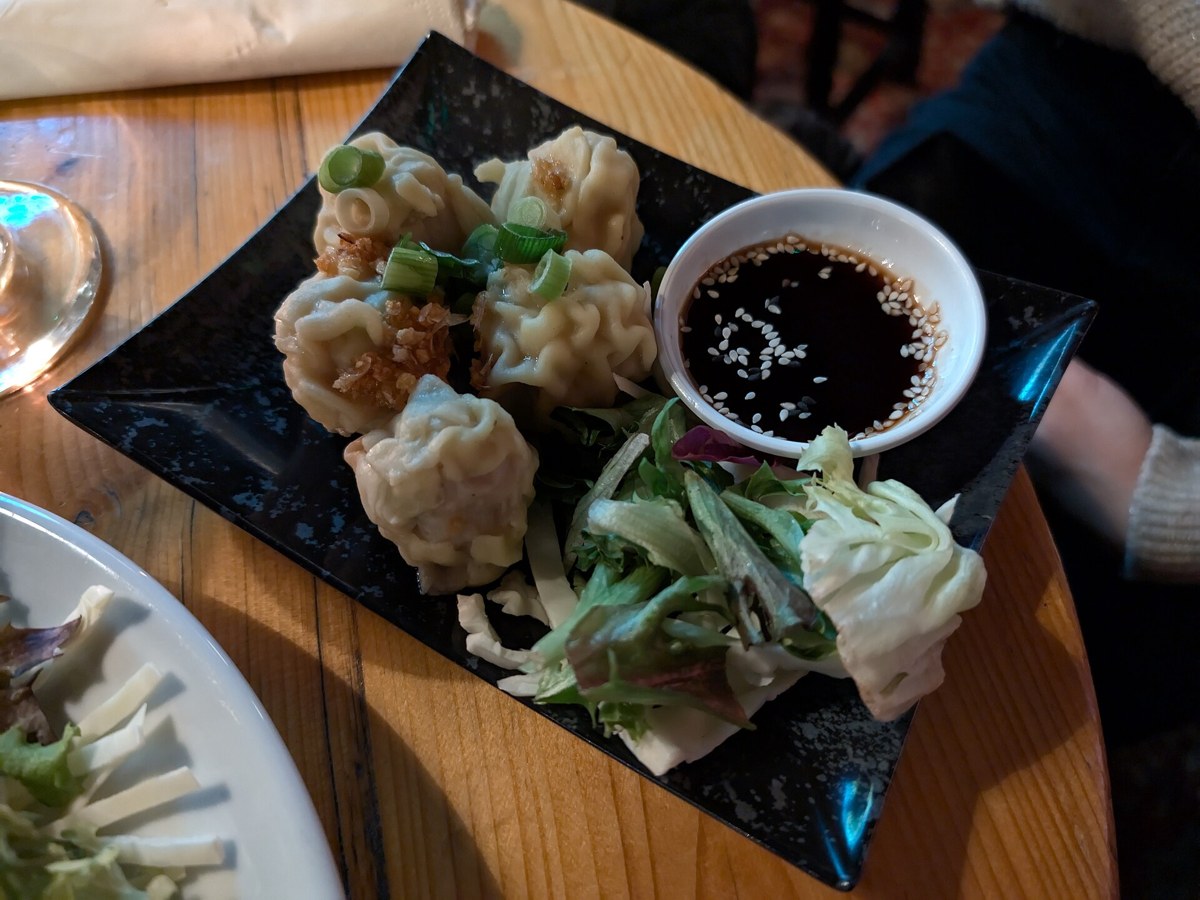
The directory fixes the product's two remarkable numbers. The recipe has remained unchanged since the product's launch — the dumpling of 1928 is the dumpling of today — and about 800,000 shiumai are produced daily to it. The dumplings are bite-size by design, made with domestic Japanese pork and dried scallops from the Okhotsk Sea, whose sweetness is the filling's distinguishing note, and they are known for keeping their flavour even when cold — a station-food virtue, since a travelling dumpling is rarely eaten hot.
Inside the box sits the product's smallest celebrity: the little soy-sauce container called Hyou-chan, a gourd-shaped pourer whose face changes from box to box — smiling, angry, and other expressions in between. Around the classic, the maker now fields six types of shiumai, including a Deluxe and a Shrimp version, and a vacuum-packed line that keeps at room temperature for five months, developed so that people living far away could enjoy them too.
What the red box costs
The directory's prices, with Kiyoken itself as the listed manufacturer, keep the souvenir in pocket-money territory: 370 yen for a box of 6 pieces, 740 yen for 15, and 1,470 yen for 30. For a product made 800,000 at a time to a century-old recipe, that is the point — Yokohama's specialty was designed to be bought often, by ordinary travellers, and it still is.
The sales map is the maker's own: directly managed stores and major train stations, per the directory, with gift wrapping at department-store locations — and no international shipping, per the maker's own FAQ answers in the same listing. The vacuum-packed boxes are the travellers' form: five months at room temperature turns a station snack into a suitcase souvenir without a cool bag.
How to eat it, and where it belongs
Eat the first box the way Yokohama has eaten it for a century: at room temperature or gently warmed, on a train or at a kitchen table, with the Hyou-chan's soy sauce and the maker's mustard, straight from the box. The cold virtue is real — the scallop sweetness survives the journey — but a fresh box from a station shop, still warm, is the edition in full.
Set it beside the collection's other hand-held inventions and a small family appears: Nagasaki's kakuni manju, a banquet dish folded into a bun in 1965, and Osaka's 551 Horai pork buns across the water. Kiyoken's is the eldest of the three — the 1928 original of the idea that a city can simply decide to have a specialty, and then make it eight hundred thousand times a day until the city believes it.
Sources — checked 10 November 2026
Original prose and official links only; no source text or maker media reproduced. Photos are credited Creative Commons works, not product photographs.
Editorial review 2026-11-10