Most craft towns have a specialty. Takaoka has a near-monopoly: about 90% of the copperware made in Japan is made in this one Toyama city. It was planned that way. In 1611 the lord of the Kaga domain brought seven casting masters to his new castle town and built them a plant; four centuries later the moulds are still warm — temple bells, Buddhist statues, tea ware, and, the craft account notes with a straight face, most of the anime character statues now standing in town-revitalisation projects across the country.
Seven masters and a castle town
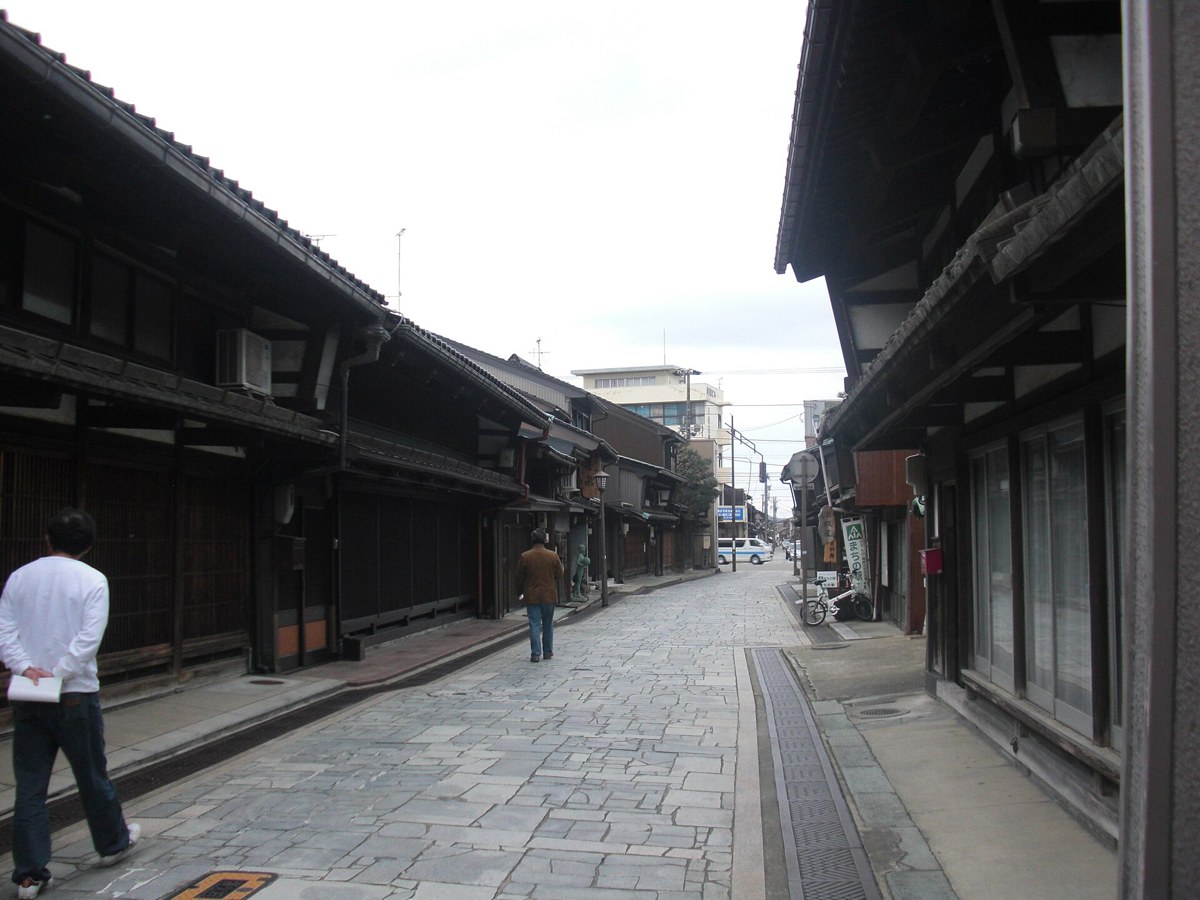
The craft account gives the founding in two dates. In 1609 Toshinaga Maeda, the second-generation lord of the Kaga domain, acquired Takaoka Castle; in 1611 seven casting masters were brought to Takaoka in order to develop the area around the castle, and a casting plant was built. The masters first produced iron goods for daily life — farm tools and pots — and copperware production began later, sometime between 1830 and 1848, once the town's casting base was two centuries deep.
The patronage model worked because it was industrial, not decorative: a whole town quarter of founders, mould-makers, polishers and carvers, each trade feeding the next. During the Meiji period Takaoka pieces were displayed at World Expositions in Austria and in European cities such as London and Paris, riding the international craze for Japanese style; the Meiji and Taisho years saw active production of ornaments and tea ceremony implements, and gift demand carried the craft through the twentieth century.
Japan's first craft production area
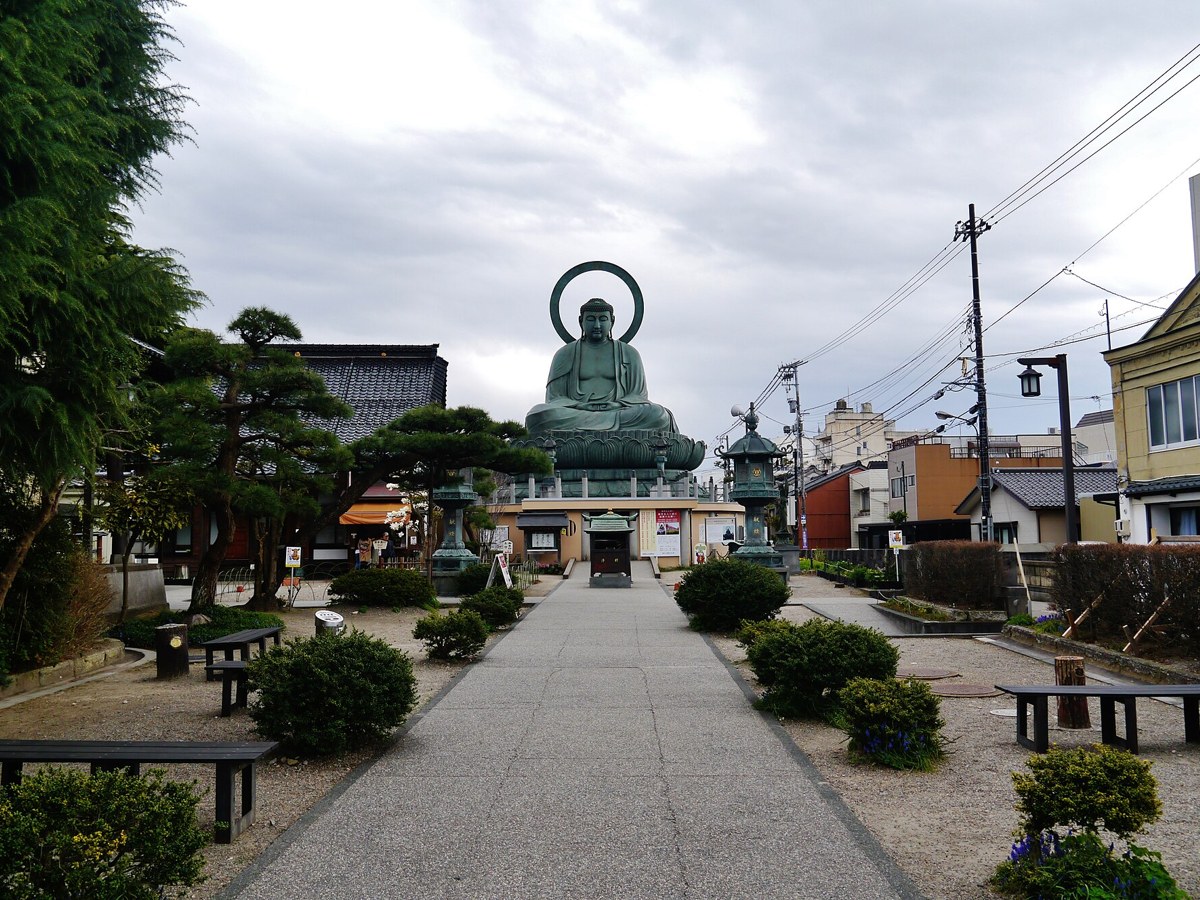
In 1975 Takaoka was designated Japan's first national traditional handicraft production area — first, the account emphasises, among all the production areas the state would go on to recognise. The designation fits a ware the account calls top class among Japan's copperware production, whose range runs from the smallest indoor ornaments, Buddhist tools and vases up to temple bells, Buddhist statues and copper statues.
The Central Japan official route guide puts the modern figure plainly: today Takaoka makes 90% of the production in Japan, across temple bells and bronze statues, copper-alloy vases, tea ceremony items, figures and other craft goods. A visitor who has walked any Japanese temple town has almost certainly already met Takaoka's work — the account adds that most anime character statues installed in urban revitalisation projects across the country are also made with Takaoka copperware.
Loam, fire and the chisel
The account walks the process end to end. Casting starts with a model, made from sketches or blueprints in wood, plaster, clay or resin; the mould is built over it in hardened layers of paper clay and roughing loam, with the product's wall thickness set by the precise gap between the outer and inner moulds. Copper alloy is melted and poured at about 1,150 to 1,250 degrees Celsius — too hot and the surface roughens, so temperature control is the caster's first skill — and when the metal has cooled and solidified the moulds are broken away.
Finishing is where Takaoka separates itself: physical and chemical polishing, metal carving with a chisel — castings with carvings are called karakane imono, and are said to have originated with Takaoka copperware — inlaying in line, cut-and-insert and high-relief forms, and colouring with natural materials and chemicals that draw out the colours of copper rust. The account's verdict on the result is that the pieces take on a deeper expression over time and can be enjoyed as they change throughout the years.
Pour your own: Nousaku and the tin turn
The city's most visited foundry shows where the tradition went next. Nousaku, established in 1916 in Takaoka, built its name on the classic repertoire and then, the directory record notes, produced tableware made of 100% tin — described as the first in the world — bending the softest casting metal into cups, plates and trays. Its factory runs a guided tour, and its casting workshop lets visitors press the sand mould, polish and engrave a mark the way the professionals do, while staff pour the hot tin; the finished piece goes home with its maker.
The practical anchor is gentle: the workshop is ¥1,000 and up, in a 30-minute course open from elementary school age and a 90-minute course from middle school age, and general admission is free with the workshop charged separately. Between the museum-grade bronzes and a tin plate you cast yourself in half an hour, Takaoka's four centuries fit into a single afternoon.
Sources — checked 11 November 2026
- KOGEI JAPAN: Takaoka Copperware (checked craft account)
- Central Japan official route guide (Shoryudo): Nousaku Corporation, Monozukuri story (checked official guide)
- GOOD LUCK TRIP directory: Nousaku, Takaoka (checked directory record)
Original prose and official links only; no source text or maker media reproduced. Photos are credited Creative Commons works, not product photographs.
Editorial review 2026-11-11