In Takayama, ramen is called soba — and the buckwheat kind needs a qualifier. Takayama ramen is the mountain city’s own bowl: a light chicken-bone soy soup and extremely fine curly noodles, made the unusual way — soup and seasoning tare simmered together in one pot, not married in the bowl. It has been the old town’s everyday noodle since the early Showa years.
The ramen that the city calls soba
Takayama ramen — also carried as Hida ramen or Hida-Takayama ramen — begins, on the record, in the early Showa period, and it never took the name ramen at home. Locally it is “chuka soba”, or simply “soba”; it is the buckwheat noodle that has to introduce itself, as “Nihon soba”, when a Takayama eater talks about noodles.
The bowl stayed a neighbourhood food for most of its life: a clear, light soy noodle eaten between errands in a castle town of merchants and mountain travellers. The city counts some thirty ramen shops (the 2015 guidebooks’ figure), and the record is explicit that the same name covers thirty different bowls — the style is a frame, not a franchise.
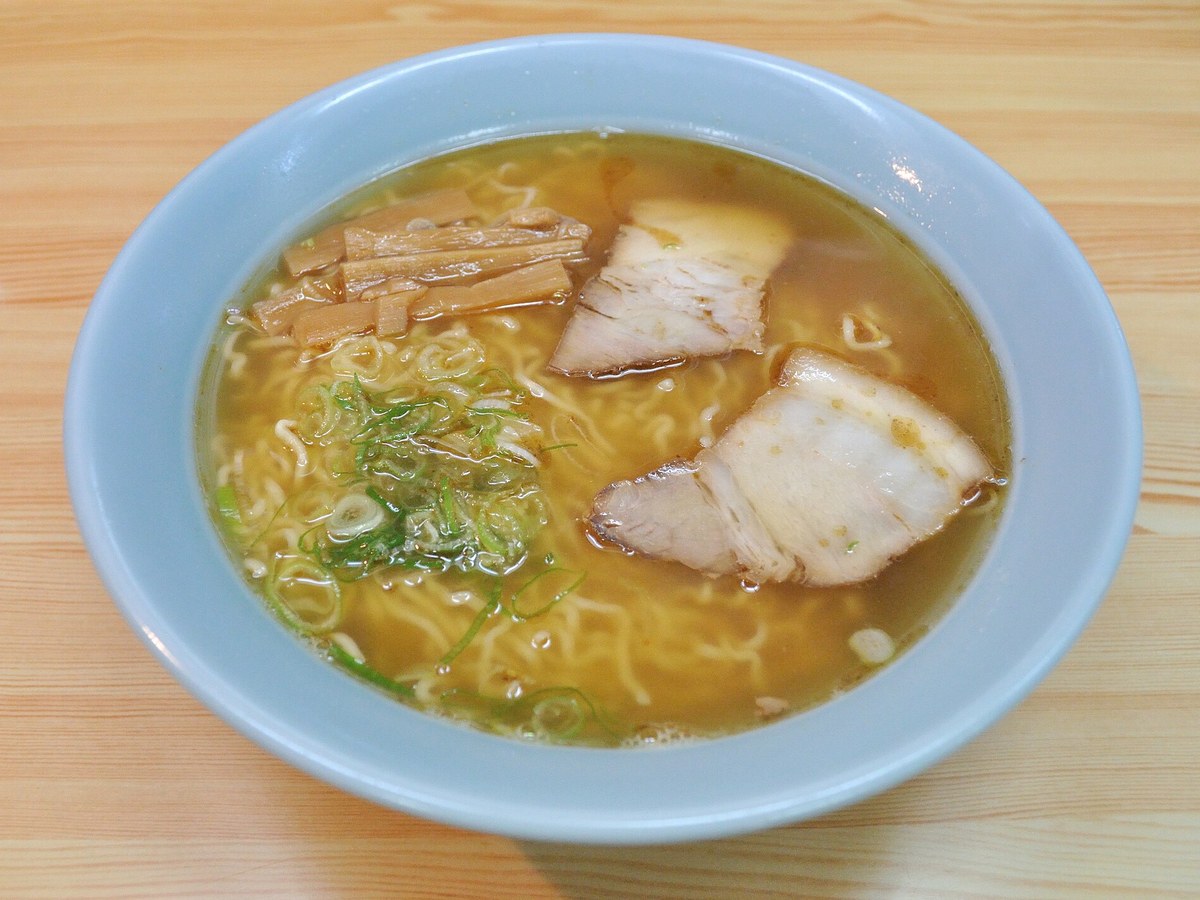
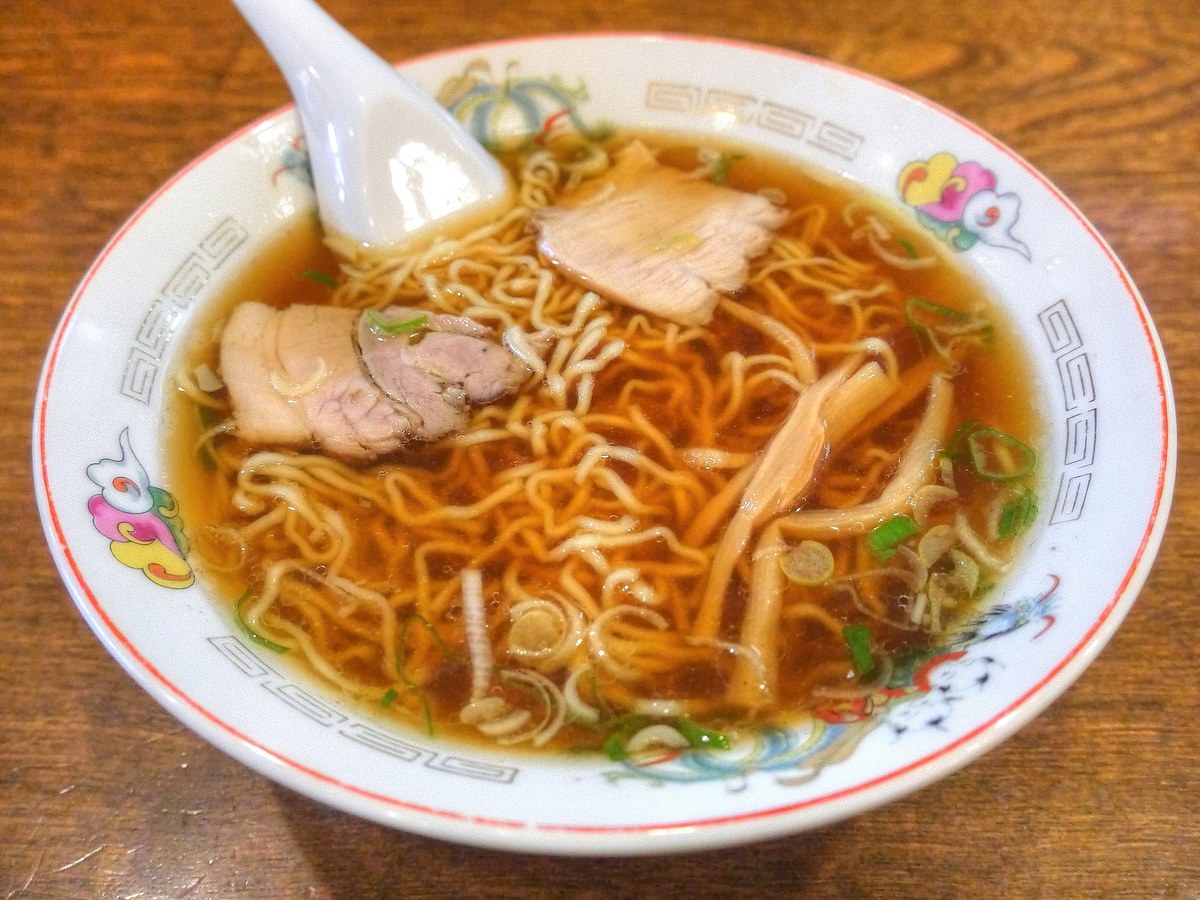
Soup and tare, cooked together
Most ramen is assembled: a tare concentrate in the bowl, a stock poured over it. Takayama ramen refuses the assembly. The tare is mixed into the soup and the two are cooked together in the pot, so the seasoning is not layered at serving but simmered into the broth itself — the method the record names as the style’s defining trait.
What it carries is deliberately plain: a chicken-bone base in a light soy register, and noodles at the extreme fine end — thin, tightly curled, quick in the mouth — topped without ceremony. The restraint is the point: this is a daily bowl, priced and built for repetition.
Masago the origin, Tsuzumi the exception
The city’s listings carry Masago Soba as the style’s origin shop, and its menu is the style’s argument in miniature: chuka soba, in three sizes, and very little else. A small bowl exists so walkers can eat it as one stop among many in the old town — the noodle as street food, not ceremony.
Every rule in Takayama has its licensed exception. Tsuzumi Soba, founded in 1956 in Asahi-machi and now in its third generation, builds its soup not on the usual chicken base but on pork bone and vegetables under soy — richer, with thick-cut chashu and the house’s own wontons. The record of the exception proves the frame: one city, one name, and a soup each house must argue for itself.
Eating it in the old town
Order the regular bowl where the locals queue. At Masago Soba the chuka soba runs in three sizes on the menu record read for this story — small ¥450, regular ¥900, large ¥1,350 — and the small bowl is the knowing order for anyone eating their way through the Sanmachi streets, where the next shop is never far.
The name travels a little: a chain trading as “Hida no Takayama Ramen” carries the bowl to a handful of department-store corners in Kanto and Kansai. But the reference form stays at home — a light, tare-simmered soup and a tangle of fine curls, eaten standing in the mountain air of the city that calls it soba.
Sources — checked 14 November 2026
- Takayama ramen — encyclopedia record (name, method, the thirty shops)
- NAVITIME shop record — Chuka Soba Senmonten Tsuzumi Soba, Takayama
- Takayama City ramen listings — shop menus compiled (Masago Soba)
Checked 14 November 2026 (stored links re-fetched and judged per product): reserved where the page says so, with an editorial review note kept per product. Press, PR and travel use stays outside the grant.
Editorial review 2026-11-14