Most famous teas are regions. This one is a garden. High in the Oi River valley, in the town of Kawanehoncho, Taruwaki-en grows its own tea, makes its own tea and sells its own tea — an estate small enough that its whole range fits on one page, and high enough, at 630 metres, that it calls its tea 'Kawane tea from the sky'.
The valley that scents the leaf
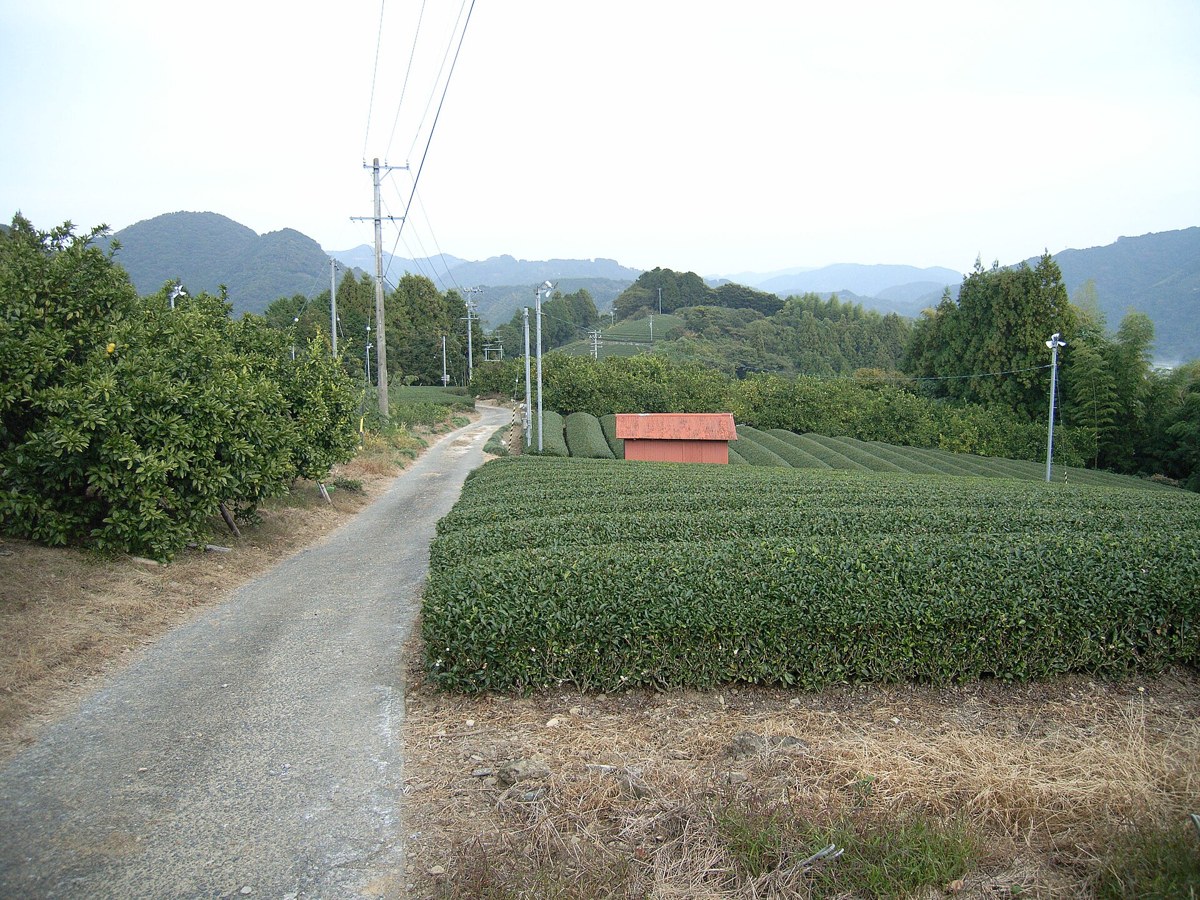
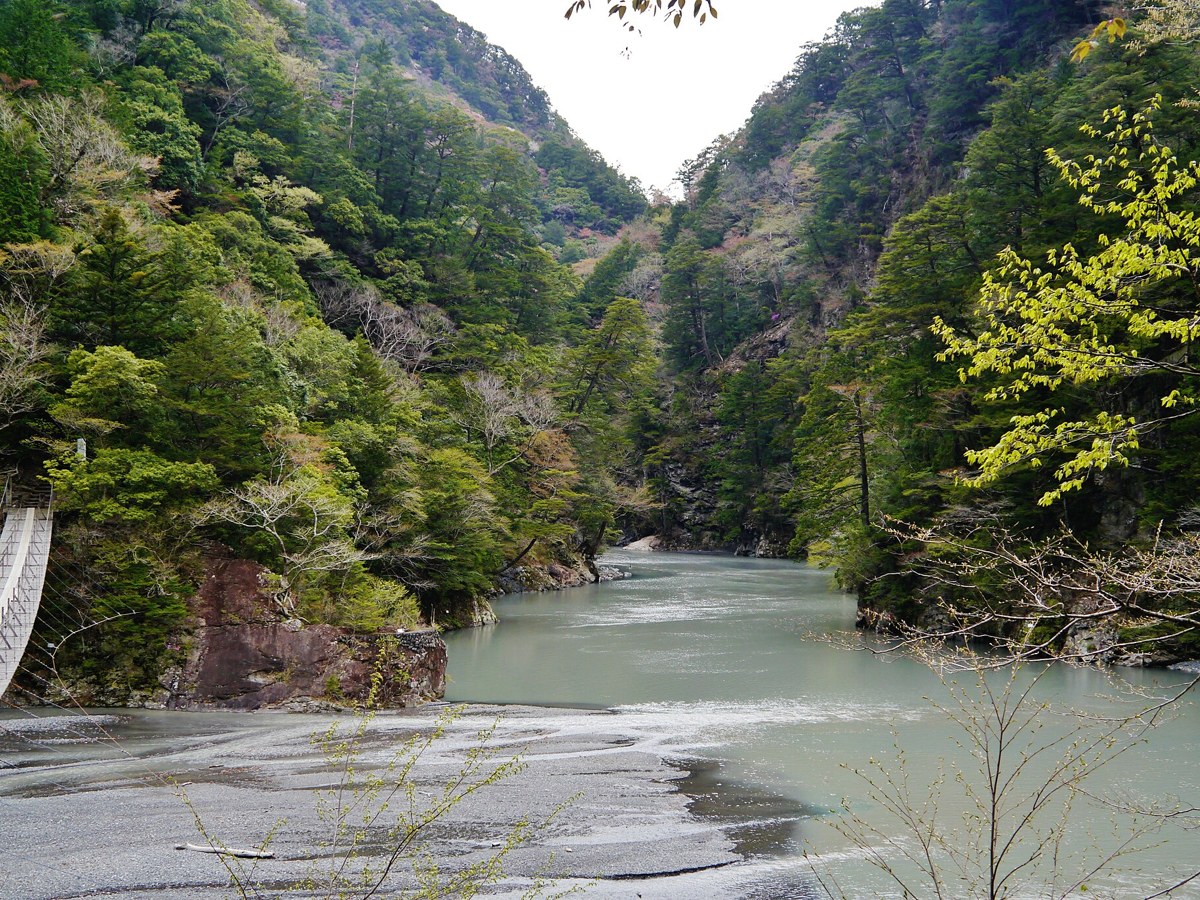
Kawane, in the mountains of central Shizuoka, is one of Japan's best-known tea names, famous above all for fragrance. The checked listings credit the valley's own weather: fog rising off the Oi River and a wide swing between day and night temperatures, the slow, cool ripening that mountain tea districts prize. Taruwaki-en's garden sits in that district at about 630 metres, in a high, cool pocket of Kawanehoncho — the estate's teas are mountain teas in the literal sense, grown where the air itself does part of the work.
The estate form matters because of what it removes. A regional brand blends many gardens; a wholesaler's label blends many regions. Taruwaki-en's own site states its form in its title — self-grown, self-made — and its ingredient line, on the checked producer page, is a single place: green tea of Kawane-Honcho, Shizuoka. What you buy is what one garden, at one altitude, in one town, produced.
Organic, lightly steamed, unhurried
The estate works organically: JAS-certified organic sencha, grown with no pesticides and no chemical or artificial fertilisers, and finished as asamushi — lightly steamed tea, the style that keeps the leaf's shape and its fresh, strong scent, in the estate's own description of its best grades. The range is a working farm's range rather than a brand manager's: a premium green tea at the top, the 'Aroma of Kawane' beneath it, a powder-filled sencha the estate marks as its best seller, roasted tea, twig tea, a black tea made from Japanese leaves, and a fragrant powder tea scented with Japanese cedar.
The most Kawane object on the list may be the smallest. The estate sells its teas as single-cup drip packs — loose leaf in a drip bag, so the leaves open in the hot water and scent the room while they steep. Its limited '88th night' tea takes its name from the traditional count of eighty-eight nights after the start of spring, the classic first-tea season marker. Even the novelties here are calendrical, not cosmetic.
What one garden charges
The estate's own list, tax included, is the honest price anchor: premium green tea ¥1,650 for 100g; 'Aroma of Kawane' ¥1,100 for 100g; the best-selling powder-filled sencha ¥1,000 for 200g; the limited 88-night Kawanecha ¥888 for 100g; new-moon and full-moon teas ¥1,200 each for 100g; twig tea ¥660 for 150g; roasted tea ¥530 for 200g; and the drip singles at ¥180 a cup. These are farm-gate prices for a named estate's whole harvest chain, not auction-lot prices for a regional blend.
The estate states on its own site that it accepts shipment outside Japan on enquiry — unusual for a farm of this size, and the practical route for overseas readers. Shizuoka's standing stories in this collection are a shrimp landed in one bay, a sweet pie and a gyoza circle: all things eaten in the prefecture. This is the first Shizuoka story that is drunk — and the first that comes from a single named garden.
Why this estate, and not 'Shizuoka tea'
This collection held 'Shizuoka tea' back for four chunks, because a prefecture's tea is not a product. What changed is the evidence: an estate whose own pages state the single-garden scope in its own words, price its own teas, and take overseas orders itself. That is the form in which a tea famous as a region can honestly be written as an exclusive — one garden's tea, from one stretch of one river valley.
Order the premium and the 88-night side by side if you can: the same garden, the same altitude, two moments of the season. The difference between them is the estate's whole argument — that in Kawane, the weather writes the first draft and the garden only has to keep up.
Sources — checked 10 November 2026
- Taruwaki-en (the estate's own official site): product list
- Tokyo Matcha Selection: Taruwaki-en, Kawane-cha drip tea (producer page)
- JR Central Market: Koyamaen Kawane/Kakegawa tea listing (checked retailer listing)
Original prose and official links only; no source text or maker media reproduced. Photos are credited Creative Commons works, not product photographs.
Editorial review 2026-11-10