There is a city in Fukui where the whole town is one factory. Sabae does not make eyeglasses the way a single company makes them; it makes them the way a village farms — every household and workshop holding one specialised piece of the work, passing frames hand to hand until a finished pair emerges. About 95% of every eyeglass frame made in Japan comes out of this system, and it all began as a way for farmers to earn money while the snow sat on their fields.
A town divided into one factory
The checked craft account defines the production area by its method before its map. Sabae Eyewear is supported by a system in which specialised manufacturers divide the work by component; with each process handled by specialised artisans and factories, high-quality frames are produced. The account is equally plain about what Sabae eyewear is not: it is not a Traditional Craft designated by the Minister of Economy, Trade and Industry, but a local industry that began in the Meiji era and has continued for more than 120 years, passing down its skills and pride.
The scale that system now carries is stated just as plainly: today, about 95% of Japanese-made eyeglass frames are made in Fukui Prefecture, with Sabae City at its centre, and through its artisans and its divided labour the area has built a production region known around the world. Processing technology for titanium — light and strong — is a particular strength of the production area, and the account notes the technology has travelled: it is also used in fields beyond eyewear, such as medicine and electronics.
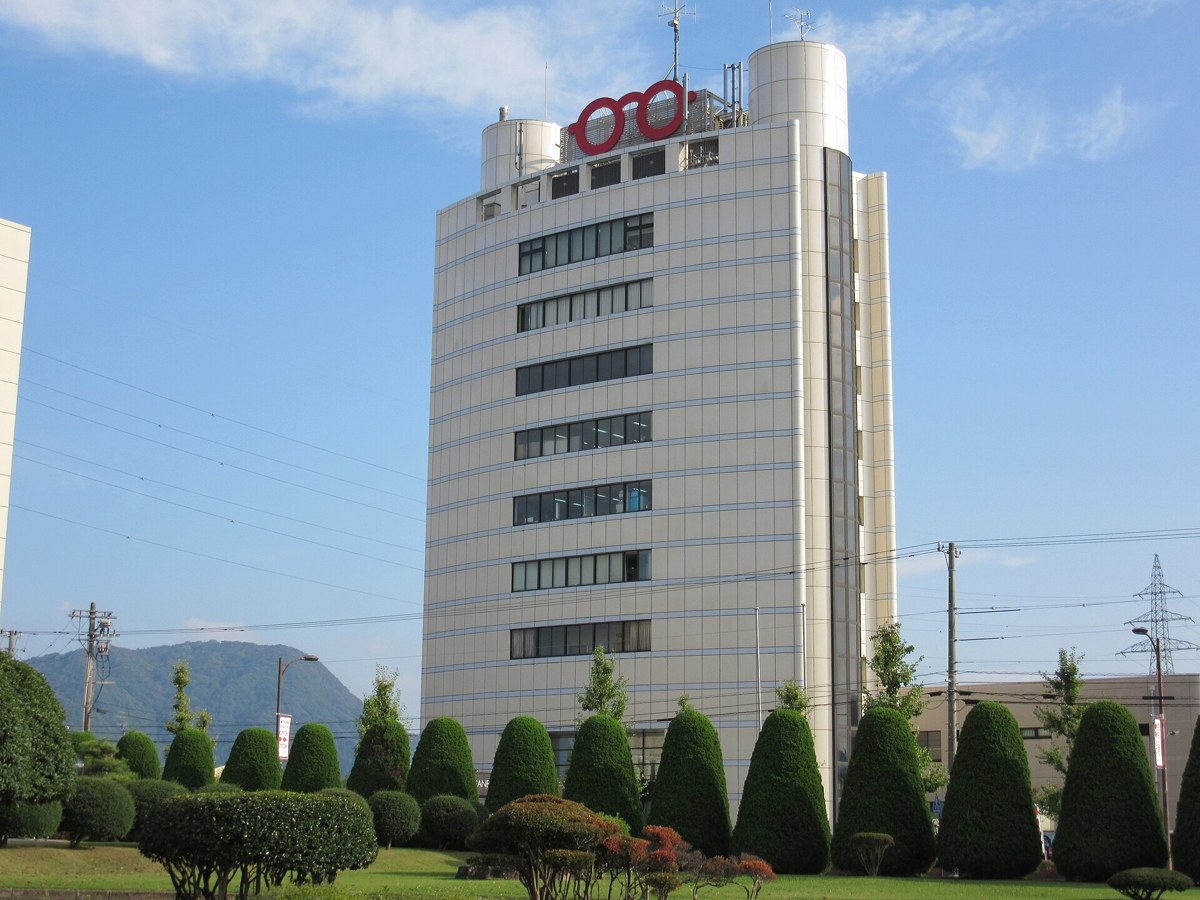
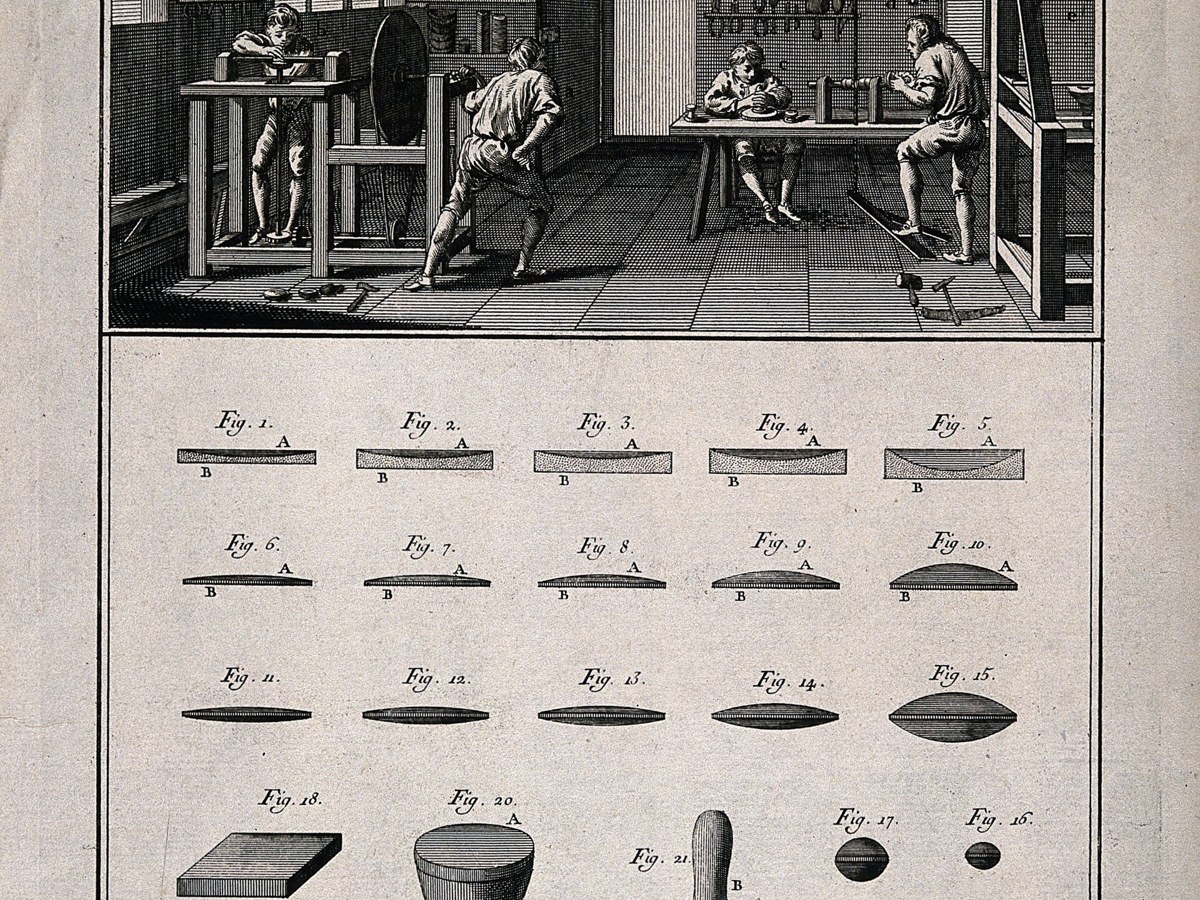
1905: the assemblyman and the snowbound farmers
Eyeglass making in Fukui began in 1905, and the account names its founder precisely. Masunaga Gozaemon, a member of the village assembly of Asozu Village in Asuwa District — present-day Shono-cho in Fukui City — was searching for a way to earn income during the winter off-season for farming. He focused on eyeglasses, which required little capital investment and promised growing demand, and together with his younger brother Kohachi he invited eyeglass craftsmen from Osaka and began production in Shono. For this he is called the father of Japanese-made eyeglasses.
His organisation outlasted his workshop. Masunaga created production groups called choba, each headed by a master who had been trained by the invited craftsmen; competition among the choba honed their skills, and in time the work became divided by component, with each group becoming independent. The production area spread to Sabae as well, and a system of divided labour was built in which the whole town functioned like one large factory — the structure a visitor still finds today, scaled from one village's winter side-job to a prefecture that frames a nation's face.
1983: the world's first titanium frames
The production area's defining leap came with a metal borrowed from aerospace. In 1983, the account records, the world's first titanium eyeglass frames were successfully developed and produced here, and the area became internationally known as a high-quality production area. Titanium is light, strong and kind to skin, but it is notoriously hard to weld, solder and polish — which is precisely why a town of component specialists, each mastering one process deeply, could do what integrated factories elsewhere could not.
That depth is the modern Sabae argument. The same titanium processing that made the frames is now used in medicine and electronics, the account notes, because a production area that spent a century learning to work one difficult metal to jewellery tolerances turns out to hold skills other industries need. Sabae's frames sit behind many famous labels; the town's own name is the quieter guarantee underneath them.
See it, and make a pair, at the Megane Museum
The production area has a front door. At the Megane Museum in Sabae, the craft account notes, visitors can learn about the history of the production area, try making frames by hand and buy products from manufacturers in the prefecture; the JAL guide adds the shop's scale — frames from about 40 Fukui manufacturers, over 3,000 of the latest frames on display. The official Central Japan route guide reads admission free, with hands-on experiences from ¥500.
The full act of authorship is priced too: the JAL guide reads the museum's glasses-making course — material selection, filing and polishing across five to seven hours, by advance reservation — at ¥18,900, and a miniature glasses keychain activity, in the same materials as the frames, at ¥500. Fukui's standing stories are a paper, a blade and a crab — Echizen washi, Echizen blades and Echizen crab. Sabae eyewear is the prefecture's fourth, and the only one you wear out of the shop on your face.
Sources — checked 11 November 2026
- Takumi Meguri: Sabae Eyewear (checked craft account)
- Central Japan official route guide (Shoryudo): Glasses Museum, Sabae (checked official guide)
- Japan Airlines guide: Glasses Museum in Sabae (checked guide)
Original prose and official links only; no source text or maker media reproduced. Photos are credited Creative Commons works, not product photographs.
Editorial review 2026-11-11