Osaka's two stories so far are a cheesecake and a pork bun. Its third cannot be eaten, and will outlast every kitchen it enters. In Sakai, the port city at Osaka's southern edge, a kitchen knife is made by three people who never do each other's jobs — and the result is the blade Japan's professional cooks reach for. It gives Osaka its first craft story, and this collection its second great blade town.
A seal from the shogunate
Sakai's metalworking roots run about six hundred years, to the swordsmiths and farm-tool smiths who settled around the port, but the craft's defining episode is a leaf. In the 16th century, after tobacco arrived from Portugal and its leaves began to be cultivated in Japan, Sakai began making the knives that cut those leaves — and made them so well that, on Osaka's official account, the Tokugawa shogunate granted the blades an official Sakai seal and sold them exclusively. A government monopoly is a loud form of praise: Sakai cutlery became known nationwide on the strength of a tobacco knife.
The name is now fixed twice over, in law. Osaka's official page records that Sakai forged blades were designated a Traditional Craft Product by the Minister of International Trade and Industry — today's economy minister — in March 1982, and that in October 2007 'Sakai Hamono' and 'Sakai Uchihamono' were registered as regional collective trademarks. Between the seal and the trademark lie four centuries in which the city's smiths moved from tobacco leaves to the fish and vegetables of Japanese cuisine, carrying the same reputation with them.
Three craftsmen, one knife
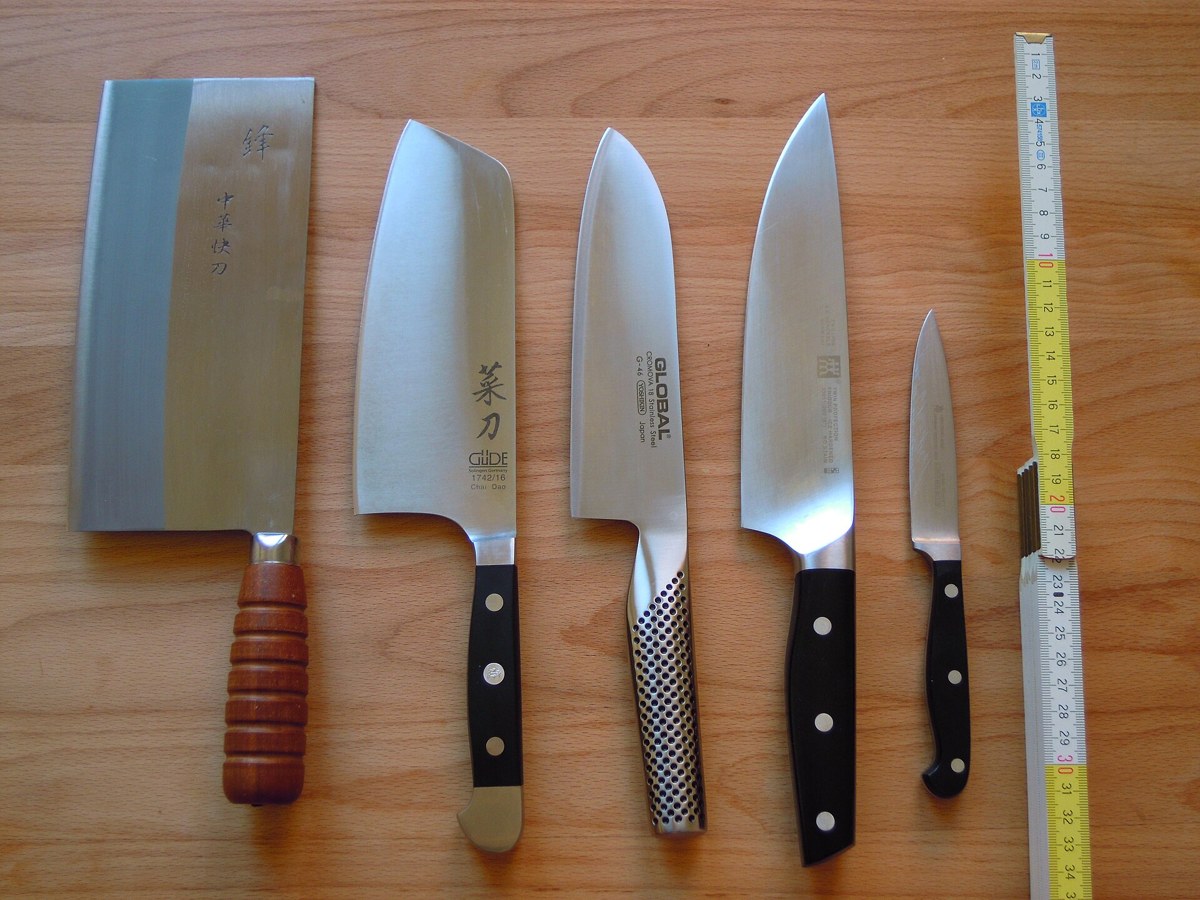
What sets Sakai apart from other knife towns, the checked guide says plainly, is that nobody in Sakai makes a knife. A single blade passes through at least two, often three, specialised craftspeople: a blacksmith, the kajiya, who forges and laminates the steel; a sharpener, the togishi, who does the grinding, polishing and final edge; and sometimes a separate handle-fitter who mounts it. Each trains for years in only their part of the process, which is why Sakai edges come out so thin and so precise.
The geometry those hands produce is the single bevel. Sakai's hallmark forms — the yanagiba that slices sashimi in one pull, the heavy deba that breaks down a fish, the thin usuba that peels a daikon in a continuous sheet — are ground on one side only, flat on the other, and made for right-handed use by default; left-handed versions are special orders. Carbon steels, shirogami and aogami, take the keenest edge and demand drying after every use; stainless forgives. A first Sakai knife, the guide advises, is usually a double-bevel gyuto, which works for anyone.
The professionals' blade
The claim made for Sakai inside its own museum is the boldest in this collection, and it is quoted here exactly as its source makes it. Osaka's official page describes the Traditional Industry Hall's first floor as offering displays and hands-on learning about items such as rare cutlery and knives 'said to be used by 90% of professionals'. The checked guide makes the matching production claim in its own words: today Sakai produces the large majority of Japan's professional chef knives — the ones behind sushi counters and ryotei kitchens, not just in gift shops. Neither figure is an audited statistic, and this page reports both as what they are: the settled, oft-repeated account of the city's own institutions and its checked guides.
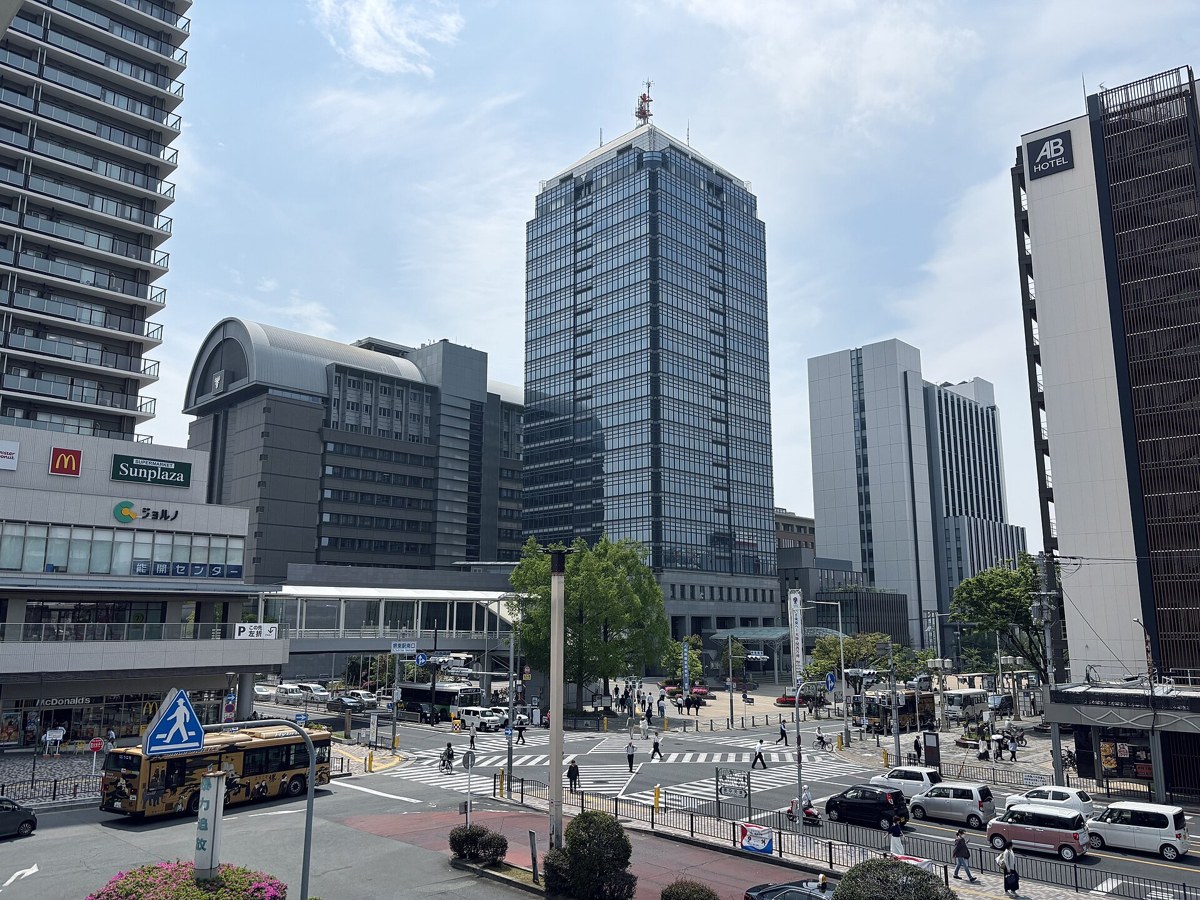
The museum that makes the claim is the place to test it. The Sakai Traditional Crafts Museum — the Denshokan — stands at 1-1-30 Zaimokucho-nishi in Sakai, admission free, open 10:00 to 17:00 and closed every third Tuesday. Its second floor is the Sakai Knife Museum CUT, with the history, techniques and tools of the craft and a chandelier built from knife-making materials; its first-floor Takumi Shop sells knives of many materials and handle types, with sharpening classes among its hands-on offerings. Osaka's page puts it ten minutes on foot from Sakai Station on the Nankai Main Line — twenty minutes from Namba, and in another world.
What a first Sakai knife costs
The checked guide's price bands, from its October 2026 survey of Sakai retail, divide the wall of blades into three honest shelves. Budget, ¥8,000 to ¥15,000: an entry-level stainless gyuto or petty knife of 120 to 180 millimetres, machine-assisted but still Sakai-finished — the low-maintenance first purchase. Mid-range, ¥20,000 to ¥40,000: hand-forged carbon steel, white steel or blue steel, with a wooden handle — the sweet spot most serious home cooks aim for. Splurge, ¥80,000 to ¥200,000 and beyond: honyaki blades hardened from a single steel, or Damascus-pattern knives, often made to order by a named smith.
You do not have to reach Sakai to buy one — Osaka's kitchenware street, Sennichimae Doguyasuji near Namba, carries genuine Sakai-made knives from Sakai's own retailers, including a branch of Sakai Ichimonji Mitsuhide — but the guide's timing advice favours the city itself: visit on a weekday morning if you want any chance of seeing a workshop actually operating, since many forges close at weekends. Two practicalities close the page. A name can be engraved on the blade at most reputable shops, sometimes free, in twenty minutes to a few days. And a knife travels home in checked baggage, never in the cabin — ask the shop to wrap it in a wooden saya or heavy cardboard, and double-box it for the flight.
Sources — checked 10 November 2026
- OSAKA-INFO (Osaka official tourism information): Sakai Traditional Crafts Museum and Shop
- Japan Trove: Sakai Blades — Osaka's 600-Year-Old Knife-Making District and Where to Buy
- Sakai Tourism & Convention Guide (Sakai City): Sakai Traditional Crafts Museum (Sakai Denshokan)
Original prose and official links only; no source text or maker media reproduced. Photos are credited Creative Commons works, not product photographs.
Editorial review 2026-11-10