Some blade towns made swords. Seki made the swords other towns are measured by — blades praised for three negatives, that they did not break, did not bend and cut clean — and then, when the age of the sword ended, it quietly took half of Japan's knife production instead. About 780 years after the swordsmith Motoshige set up his forge by the Nagara River, Seki is still the city of blades, and its name is a registered regional brand.
Motoshige chooses a river
The industry history begins with a shopping list. Seki offered the swordsmith what he needed: the Nagara River and the Tsubo River, supplying the high-purity water needed for cooling; pine charcoal from the Hida mountains to melt steel; and red soil for the heat treatment of blades. About 780 years ago, in the middle of the Kamakura period, the swordsmith Motoshige moved to this area — then Mino Province — and began making swords here.
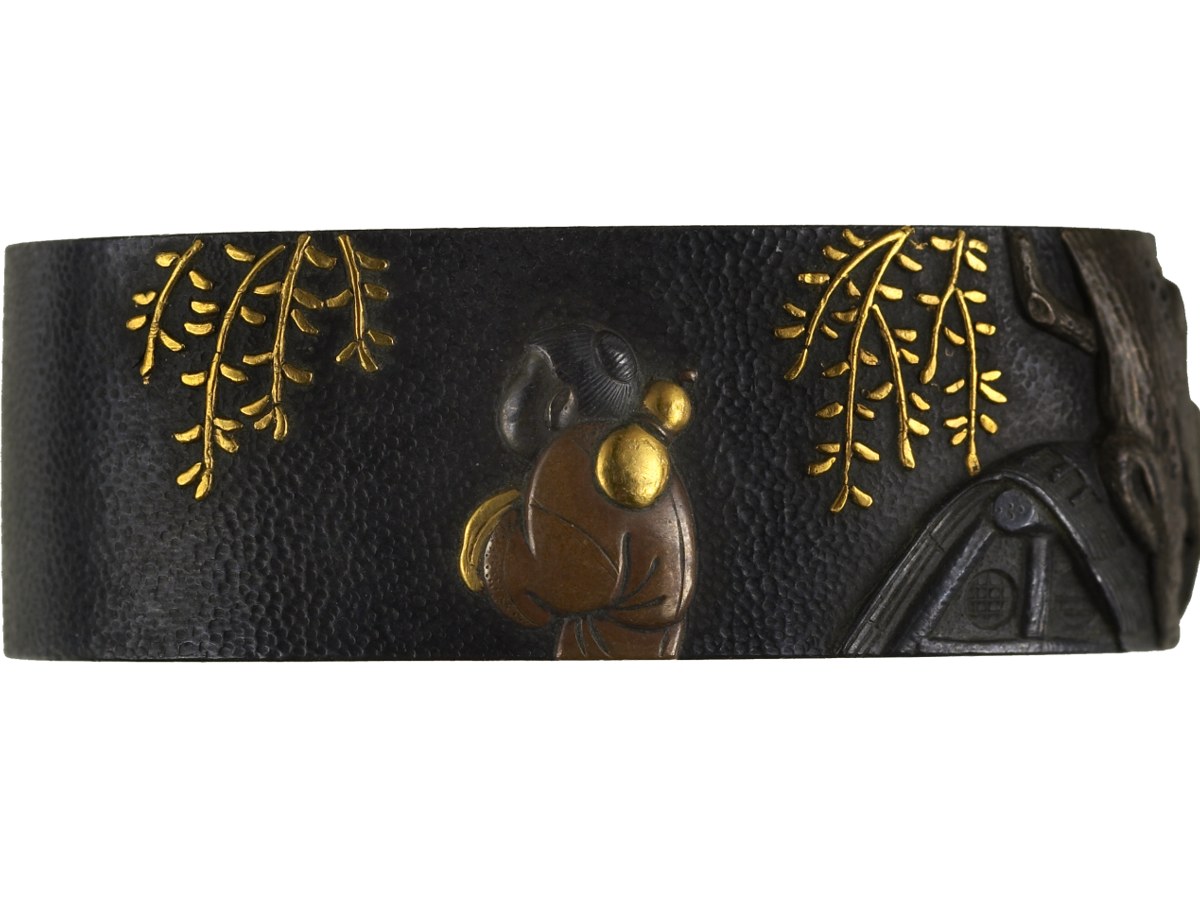
Smiths followed him from across the country. By the Muromachi era more than 300 swordsmiths worked in Seki, and the Mino tradition — Mino-den, founded in the line of Shizu Saburo Kaneuji and Kaneshige — stood as one of the Five Traditions of Japanese sword making, characterised by strength, sharpness and high practicality. Seki's swords, in the period phrase, were unbreakable, unbendable and sharp; they were exported in the licensed Kango trade with Ming China and favoured by the warlords of the Sengoku age.
The city of blades, by the numbers
The Tourism Organization's account gives the same peak from the visitor's side: Seki, a modest-sized city in Gifu Prefecture known as the city of blades, was once the centre of sword making in Japan, with some 300 swordsmiths working here in the 1500s, and it is regarded — in that account's words — as the place where the samurai sword was invented and perfected.
The modern numbers are the history's own. The industry history records that Seki City accounts for 50% of the domestic knife production in Japan, and that knives made in and around Seki City have been certified as a regional brand by the Japan Patent Office as Seki knives. A medieval sword cluster became, without moving, a cutlery cluster: in the early Showa period Seki already held the majority of domestic cutlery production, diversifying into Japan's first safety razor blades, bottle openers and can openers, and in the 1960s it became known around the world as a knife production centre.
Twenty-six generations at the forge
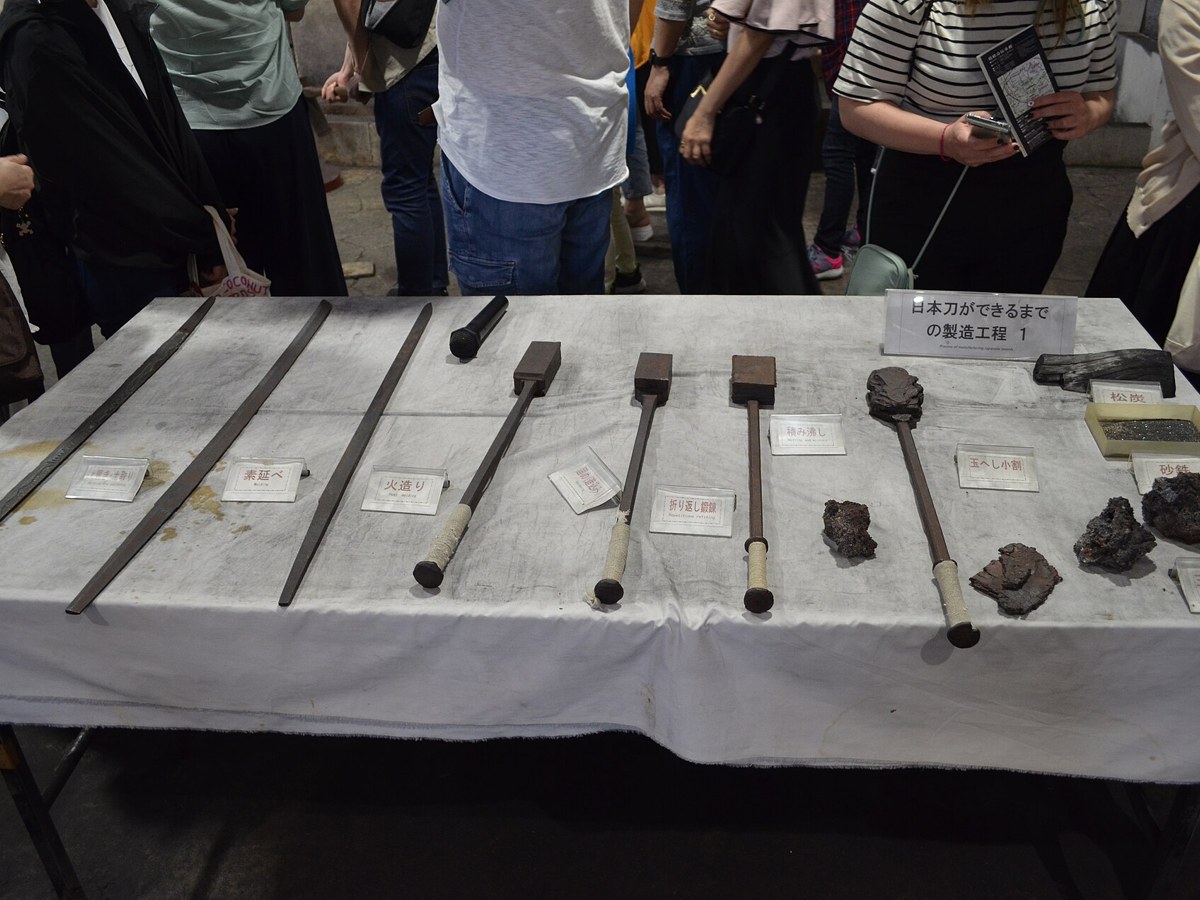
The tradition is not only industrial. The Tourism Organization's experience account seats visitors before the 25th and 26th generations of the Fujiwara Kanefusa family, a celebrated sword-making lineage, hammering out a sword with techniques passed down across eight centuries. The family made swords for the Tokugawa shoguns, who ruled Japan from 1603 to 1867, and even today it continues to make the ceremonial swords presented to sumo wrestlers promoted to the highest rank of yokozuna.
Around the forge sit the museums. The Seki Hamono Museum at Hamonoya Sansyu displays swords alongside demonstrations of sword sharpening and sheath making, and its shop sells everything from scissors and clippers to kitchen knives and swords; the city's own Seki Traditional Swordsmith Museum keeps the admission at the municipal level — ¥300 for adults, ¥200 for high school students and ¥100 for elementary and junior high school students, on the checked city record.
From katana to kitchen, one craft
What Seki sells the visitor is continuity. The forging experience at Hamonoya Sansyu lasts about an hour, close enough to watch the sparks as raw steel is pounded by smiths in traditional dress; the same hands, the same riverside city, now edge the santoku and gyuto in professional kitchens worldwide. The industry history's arc — swords for warlords, then household knives, razors and openers, then a registered brand holding half the national knife output — is a single production area adapting three times without ever changing its material.
That is why the brand is geographic rather than corporate. Seki knives are not one company's product; they are the output of a city that has specialised for 780 years, and the Patent Office certification simply writes down what the Muromachi market already knew.
Sources — checked 11 November 2026
- Japan National Tourism Organization: See Firsthand How Japanese Swords Are Made, Seki (checked official tourism account)
- Imoto Sangyo: The History of Seki's Knife Industry (checked industry history)
- City of Seki: Seki Traditional Swordsmith Museum record (checked city record)
Original prose and official links only; no source text or maker media reproduced. Photos are credited Creative Commons works, not product photographs.
Editorial review 2026-11-11