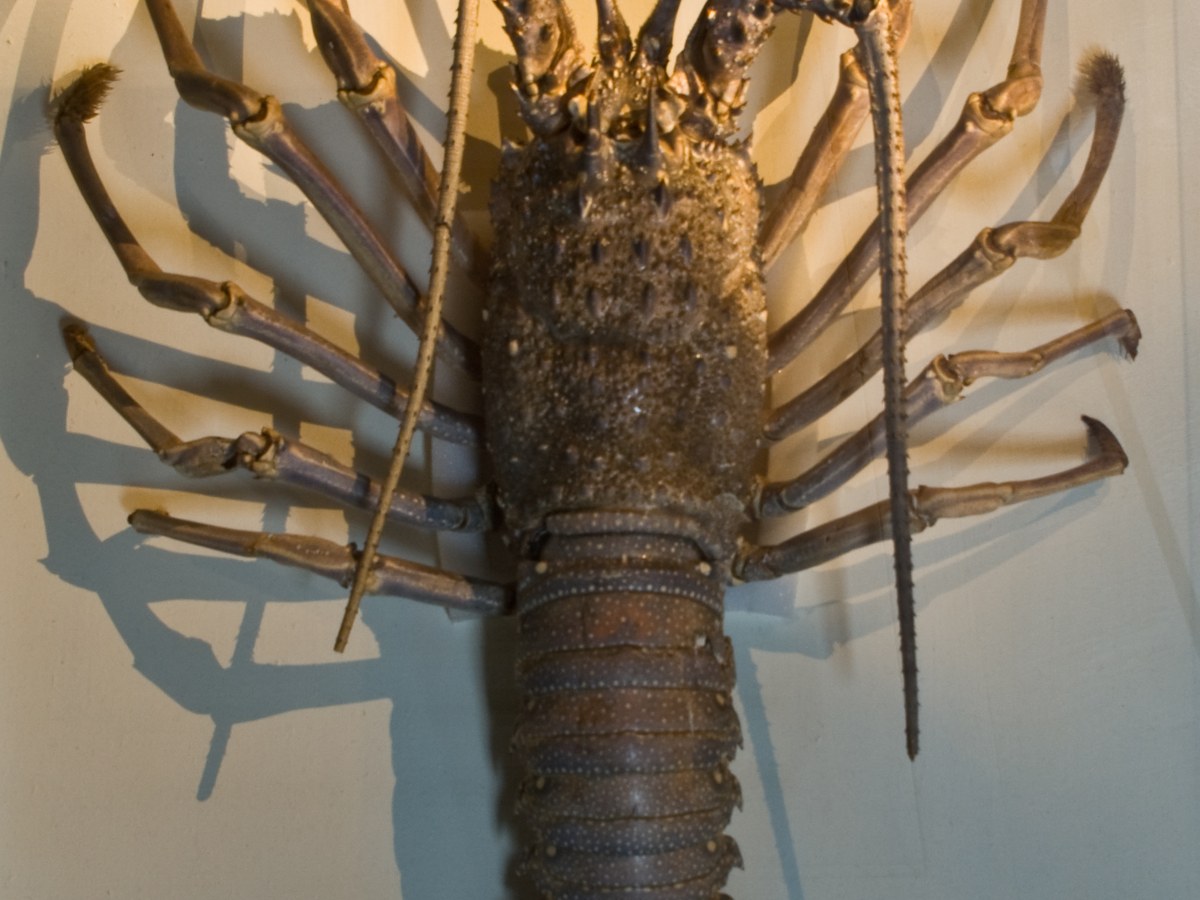
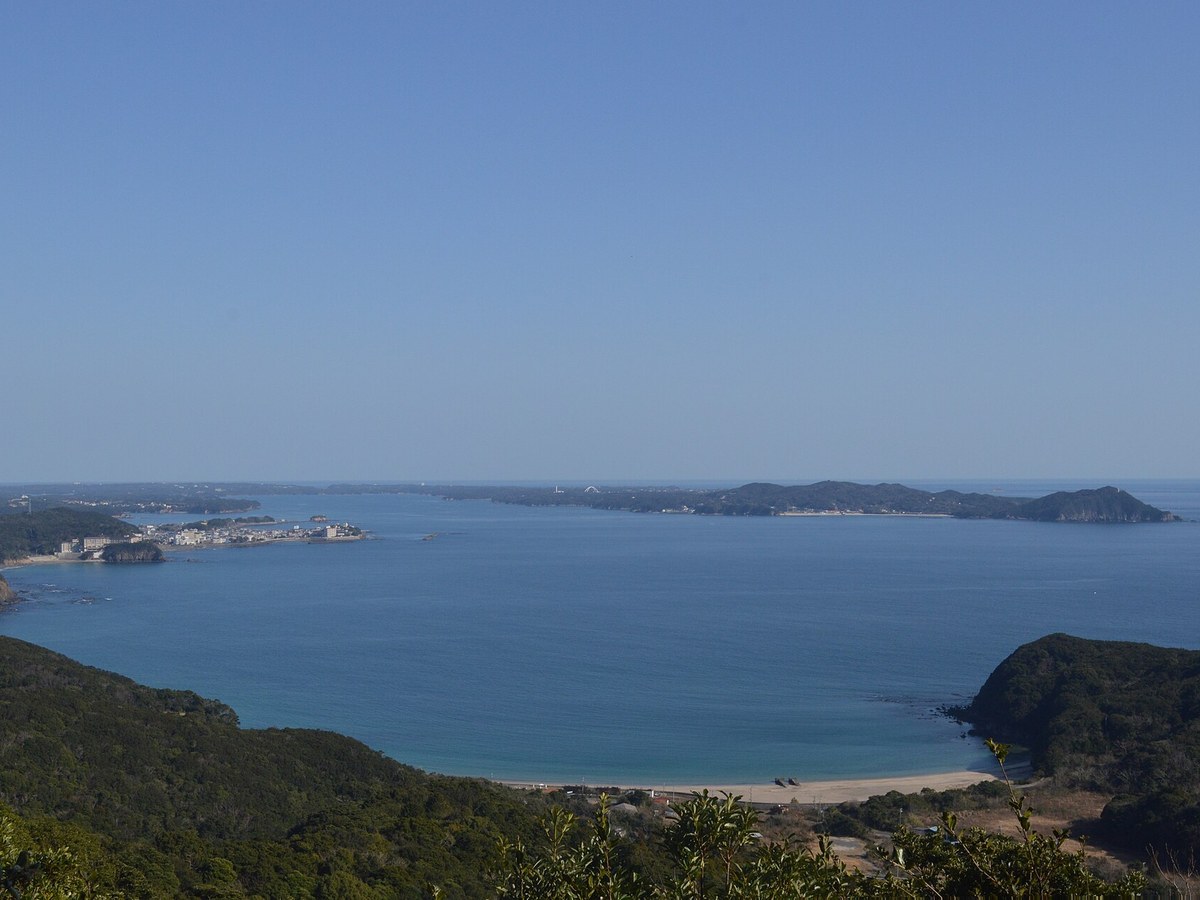
Every luxury seafood in Japan has a home port, but only one has given its name to the species itself. Ise ebi — the Ise lobster, Panulirus japonicus — is the Japanese spiny lobster wherever it is caught, and the name points at the Ise-Shima coast of Mie, where the animal has been the winter feast for centuries. Mie guards the fame with law: the prefecture's fishery rules close the season entirely from May to September, so a Mie ise ebi is by definition an October-to-April animal, eaten in the cold months when it is sweetest.
The name that ate the species
The compilations record how complete the branding is: Kyoto called the lobster 'Ise Ebi', Edo called it 'Kamakura Ebi' and Owari called it 'Shima Ebi' — each market naming the source region it bought from — and over time the Ise name won outright, becoming the standard Japanese name of the species. Ise-Shima's standing is older than the markets: the wider region carried the historical name Miketsukuni, a province that supplied food to the imperial court, and its spiny lobster remains the centrepiece of that reputation.
The legal frame is Mie's own. The prefecture's Fisheries Adjustment Rules, as summarised in the rules record from the regulations themselves, prohibit taking ise ebi in Mie waters from 1 May to 30 September — 15 September in the waters north of the Toba islands — and prohibit taking any animal whose carapace measures 4.2 cm or less at any time. The Shima districts' resource-management agreements add their own layer: a further fifteen closed days inside the season and the release of animals under 100 g.
A five-month silence, then October
The closed season protects the spawning stock through the warm months, and it shapes the food culture: fresh, locally caught ise ebi simply does not exist in Mie in summer, and kitchens serving it then are serving frozen or outside-prefecture stock — the Toba guide record states the point plainly. When the season opens on 1 October the coast changes gear; a typical animal runs 20 to 30 cm, and the winter preparations follow the animal's two natures — the tail's sweet, springy flesh as sashimi or grilled, the head and shell into miso soup.
Mie is a top ground without being the only one: the prefectural fisheries research institute's figures, carried in the survey record, put the 2023 national catch at 1,090 tons, of which Mie landed 148 tons, second nationally behind Chiba. The article's claim is the name and the ground, not a tonnage crown — some Mie catches even carry an origin tag under the local stock-management effort, so the prefecture's own fish can be told from the species at large.
How Ise-Shima eats it
The classic sequence at an Ise-Shima table runs the animal through the kitchen in courses: sashimi first, the flesh translucent and sweet; then the same lobster grilled or steamed; and finally the head, split and simmered into the red miso soup (onigara-jiru in the local serving) that closes the meal — the 'demon shell' broth carrying everything the tail left behind. Around Toba and Shima the full courses at inns and specialists run, on the guide record, ¥10,000–¥20,000, with sashimi servings at ¥4,000–¥8,000.
In Ise City itself the institution is Daiki, where the compilation records a spiny lobster course from ¥10,000 that works through two and a half Shima lobsters in several preparations — the shrine town eating its own coast, thirty minutes from the boats.
Buying ise ebi from Mie
The checked product record is Minamiise Town's listing on the Mynavi furusato portal: an ise ebi landed in Ise-Shima, ikejime-killed and frozen the same day so it can be eaten as sashimi after thawing — one whole lobster of about 600 g at a ¥35,000 donation, from the Minamiise provider Yamafuji. For live animals, the Japan Post shop's listing (origin not stated, used here only as a live-lobster price cross-check) puts a live ise ebi of 350 g at ¥7,500, shipping and tax included.
What to check on any 'Ise ebi' offer: the landing prefecture — Mie and the October-to-April season for this story's animal — and whether the fish is live, same-day frozen or long-frozen. In the closed season, a 'fresh Mie ise ebi' is a contradiction the prefecture's own rules expose.
Sources — checked 12 November 2026
- Mie fishery rules record — Ise ebi under the Mie Prefecture Fisheries Adjustment Rules (arts. 35–36), with the Shima districts' resource agreements (Mie Prefecture)
- Food in Japan — Ise Ebi compilation
- Mynavi Furusato — Minamiise Town, Mie: frozen ise ebi, one lobster about 600 g (checked 12 November 2026)
- Toba Ise-ebi season guide (2026)
- Shoku no Daigaku — osechi survey carrying Mie Fisheries Research Institute catch figures
- Japan Post Shop — live ise ebi listing (checked 12 November 2026)
Original prose and official links only; no source text or maker media reproduced. Photos are credited Creative Commons works, not product photographs.
Editorial review 2026-11-12