Most paper is manufactured; this one is sworn. Gifu's fifth story is Mino washi — thirteen centuries of papermaking in one valley city, crowned by Hon-minoshi, a grade so strictly defined that its rules name the mulberry, ban the bleach and prescribe the rocking of the vat.
Thirteen centuries at the vat
The government's Highlighting Japan account gives Mino's paper a documented history of more than 1,300 years, and its most famous living proof is a pair of hands: Sawamura Masashi, a fourth-generation Honminoshi maker who started at the vat at fifteen and has worked it for seventy-two years. Every shoji screen of the Kyoto State Guest House — the paper walls Japan shows its state guests — is his Honminoshi.
The honours match the pedigree. Hon-minoshi was designated an Important Intangible Cultural Property in 1969, and in 2014 UNESCO inscribed the craftsmanship of washi on its Representative List, naming Mino's Hon-minoshi alongside Sekishu-banshi of Shimane and Hosokawa-shi of Saitama — three papers, three valleys, one shared discipline of fibre and water.
Hon-minoshi is a rulebook
What separates Hon-minoshi from ordinary handmade paper is that its definition is a checklist, and the Japan Tourism Agency record prints it. The fibre must be Daigo nasu kozo — paper mulberry from Daigo in Ibaraki — and nothing else. The tools and methods must be the traditional ones: no chemical bleach, no pigment, tororoaoi plant mucilage as the dispersant that keeps the fibres suspended.
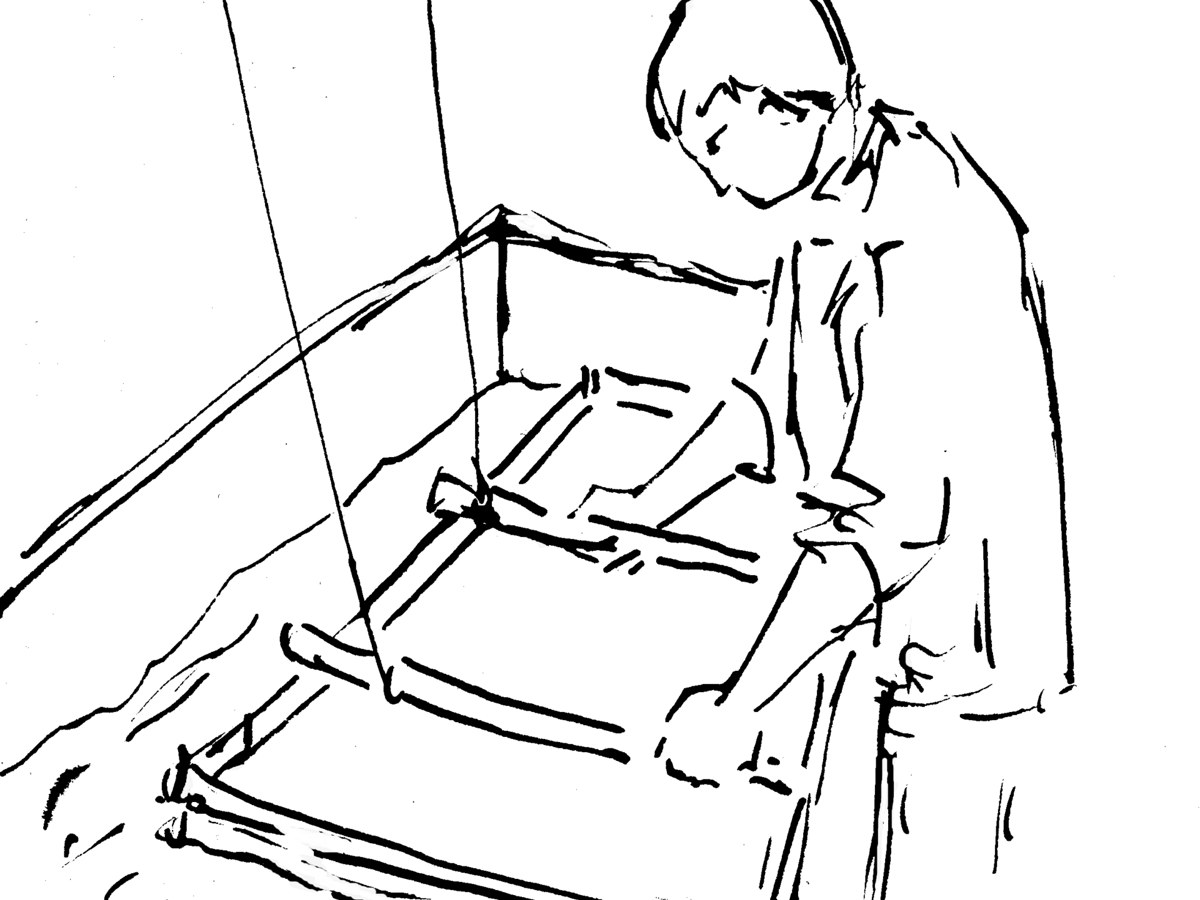
The sheet itself must be formed by nagashizuki, the rocking method, on the prescribed kagitsuke or sogitsuke screens, the vat swayed so the fibres settle in crossing layers. And the maker must be in Mino, and a member of the Hon-minoshi Preservation Association. A sheet that fails any clause may still be fine paper; it is simply not Hon-minoshi, and may not be sold as such.
Three grades of one name
Below the sworn grade, Mino washi is a working paper in three grades, as the prefecture's Visit Gifu guide sets out: Hon Minoshi at the top, then handmade Mino washi, then machine-made Mino washi — the same valley's fibre discipline at three levels of hand labour and price. The city's Udatsu merchant district, streets of fireproof-walled Edo-period houses, is where the paper trade that shipped these grades across Japan was headquartered.
The paper's quiet second career is conservation. Visit Gifu records Mino washi in use for document and artwork restoration at the British Museum, the Louvre and the Smithsonian: a handmade sheet with no bleach and no pigment ages the way the artefacts do, which is why the restorers of three continents reach for the valley's output.
Eighteen workshops
The craft's contraction is on the record. The director of the Mino-Washi Museum told the government's account that a century ago the Mugi district counted 3,773 papermaking craftsmen; today eighteen workshops remain in the area, five of them hand-making Hon-minoshi, with ten trainees learning the vat work. The paper that outlasted thirteen centuries now depends on whether those ten stay.
For a buyer, the entry point is deliberately small. Furukawa Shiko, a Mino City washi maker, sells an 'Otegami Bijin' letter set in its Wa-Life line — twelve sheets and six envelopes of Mino washi — at ¥528 including tax on the checked Yodobashi listing: the valley's fibre, its rules relaxed to the handmade grade, at the price of a coffee. The sworn sheets are for calligraphers and conservators; the letter set is the same name, carried home in a bag.
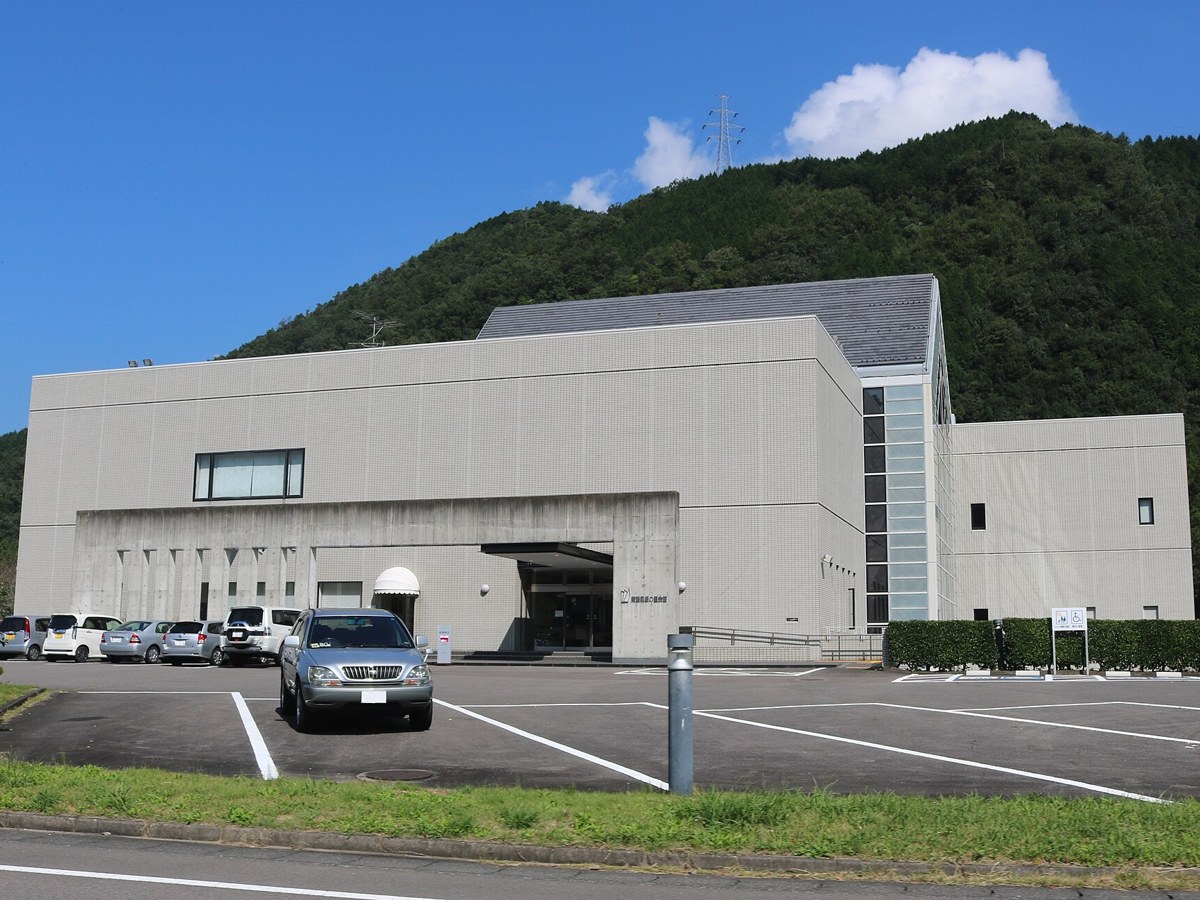
The grades are a buying ladder, and Mino is arranged for climbing it. The machine-made sheets carry the name into everyday stationery; the handmade grade is the letter-writer's and calligrapher's working paper; Hon-minoshi waits at the top for the uses where a sheet must last centuries and behave like cloth. The Mino-Washi Museum anchors the visit — the building in the photograph on this page — and the Udatsu streets around the old paper merchants supply the shops. A traveller can enter at ¥528 with a letter set and leave understanding exactly what the further money buys: fewer hands-off steps, older fibre discipline, and a rulebook that narrows at every rung until only five workshops in the valley are left standing at the top of it.
Sources — checked 11 November 2026
- Japan Tourism Agency record: Hon-minoshi, Mino washi
- Highlighting Japan (Government of Japan): Mino washi and Master Sawamura
- UNESCO decision 9.COM 10.22: washi, craftsmanship of traditional Japanese hand-made paper
- Visit Gifu: Mino washi
- Yodobashi: Furukawa Shiko Otegami Bijin letter set, Wa-Life LTB15
Original prose and official links only; no source text or maker media reproduced. Photos are credited Creative Commons works, not product photographs.
Editorial review 2026-11-11