Order katsudon in Fukui and the national recipe disappears. No egg sets over the cutlet, no sweet dashi soaks the rice, no cabbage hides underneath. What arrives is a thin, fine-crumbed pork cutlet, fried until it crackles, dipped whole in a dark Worcestershire-style sauce and laid straight onto plain rice — crisper and more assertive than the katsudon the rest of Japan knows. The bowl was invented in 1913 by a Fukui chef trained in Germany, and after an earthquake sent him home, his prefecture adopted it so completely that in Fukui the word katsudon needs no qualifier: this is what it means.
No egg, no dashi, no apology
The Fukui bowl is a study in subtraction. The Japan Specialty Traveler's Fukui guide — the current price source for this article — puts it plainly: Fukui's katsudon bears little resemblance to the national dish; the cutlet comes dressed only in its sauce over steamed rice. What the bowl keeps is texture: the cutlet stays crisp because nothing wet and eggy is poured over it, and the sauce — built, on Waseda's record, from the Worcestershire sauce Takahata encountered in Germany and adjusted until it blended with white rice — does the seasoning work alone.
The same guide records how deep the loyalty runs: prefecture-wide surveys regularly list sauce katsudon as the food Fukui residents are most reluctant to eat inferior versions of anywhere else. That is the tell of a true regional dish — not that outsiders cannot make it, but that the home prefecture has opinions. Beyond the founding house, the guide names dozens of Fukui City restaurants serving it, among them Kagurazaka Isuzu and the Europa chain, so the traveller's problem is choice, not scarcity.
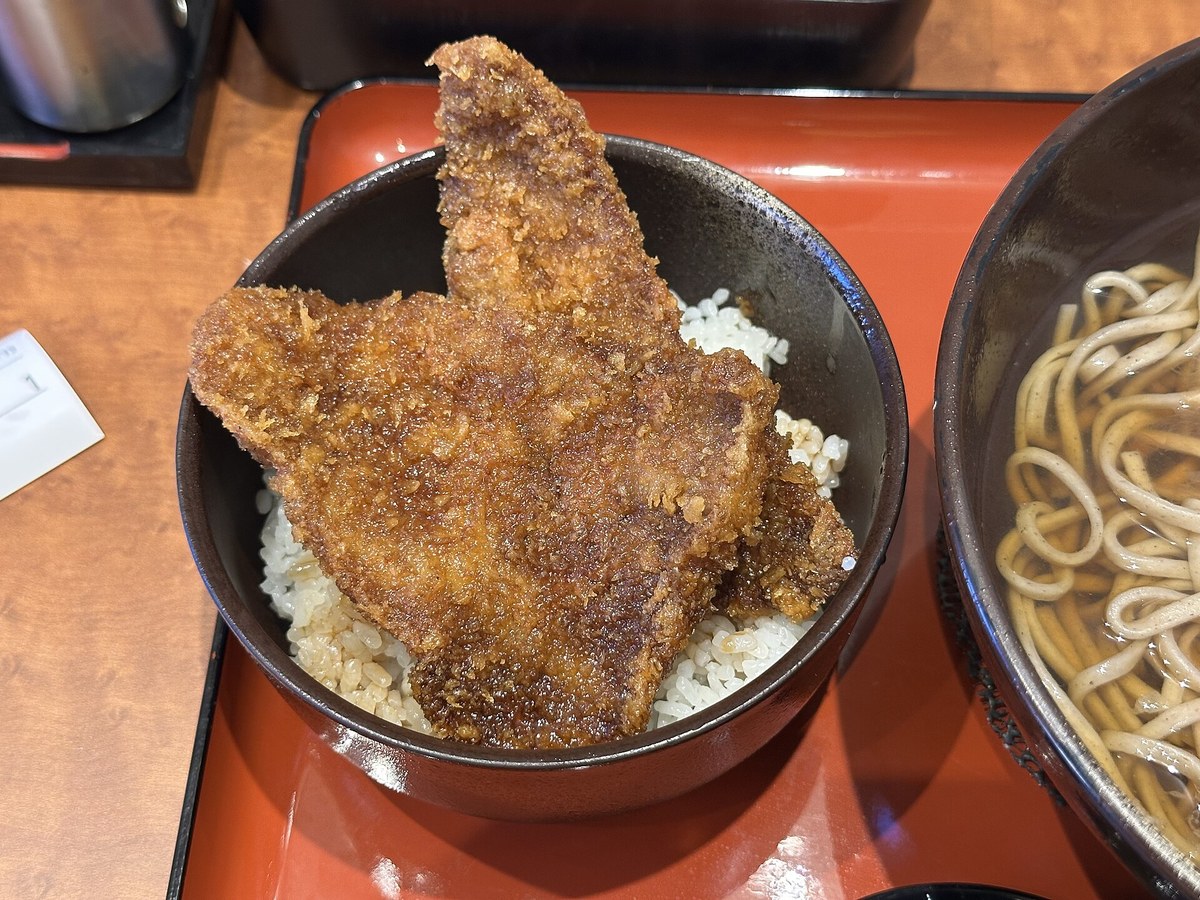
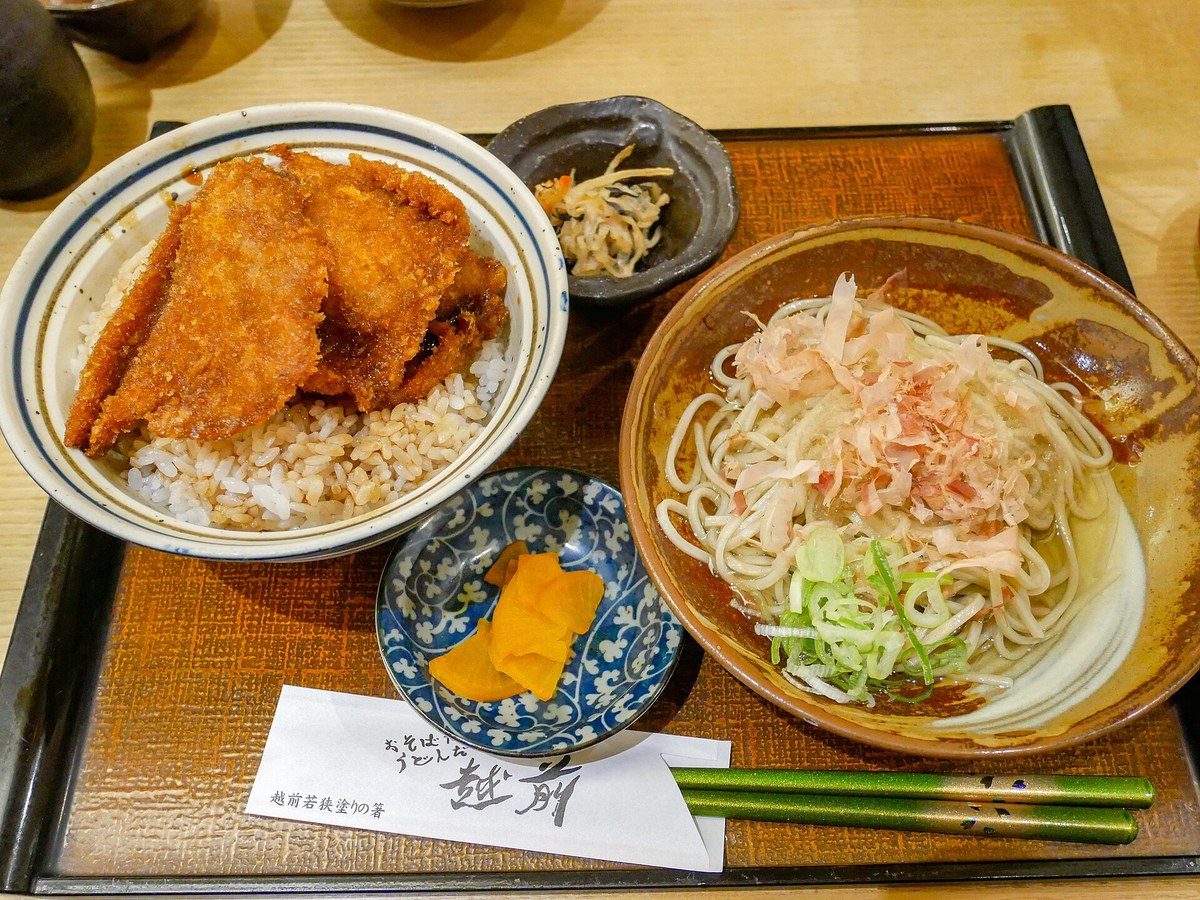
Six years in Germany, one bowl in Waseda
The documented life, from Waseda University's feature on the house, runs like a novel. Masutaro Takahata, a Fukui native, spent six years in culinary training in Germany. Back in Japan he opened the first Yo-roppaken — the name plays on Europe — on 28 November 1913 at Tsurumakicho in Waseda, Tokyo, and revealed his sauce katsudon at a culinary presentation conference that same year: thin pork in fine breadcrumbs, fried crisp, dipped in his special sauce, served on rice.
Ten years later the Great Kanto Earthquake of September 1923 destroyed the Tokyo restaurant. The Japanese Wiki Corpus account picks the story up there: Takahata returned to his hometown and reopened Yoroppaken in Fukui in January 1924, serving the katsudon he had created, and the dish spread across Fukui around the house and its branches. Waseda's feature adds the founder's own modesty to the record — Takahata never claimed to be the originator of katsudon in general; that wider idea spread through magazines and media. Rival origin accounts for the egg-bound bowl exist, and this article leaves them standing: what is documented is the sauce katsudon's own 1913 record.
How Fukui's differs from the other sauce towns
Fukui is not Japan's only sauce-katsudon town, and the honest comparison sharpens the claim. Komagane in Nagano and Aizuwakamatsu in Fukushima also dip their cutlets in sauce — but on the Japanese Wiki Corpus record, both of those styles lay shredded cabbage under the cutlet. Fukui's does not: cutlet, sauce, rice, nothing between. The Fukui bowl is also the one with a dated, named, documented inventor and a house that still trades on the story, with nineteen restaurants in the prefecture on the Waseda feature's count.
Yoroppaken is styled Sohonten — head office — because the branches are the story of the dish's adoption. Start at the head shop in Fukui City and the bowl you get is the reference version against which the prefecture judges all others; the dozens of independent houses then read as variations on a theme everyone in the room knows by heart.
Eating it in Fukui
Eat it in Fukui City, at Yoroppaken first — the founding house, still operating in the city it came home to in 1924 — and then anywhere else the mood takes you, because the guide counts dozens of sauce-katsudon counters across the city. A standard bowl runs ¥850 to ¥1,000 on the Japan Specialty Traveler guide published 29 April 2026, which makes it one of the cheapest complete stories in this collection: a documented 1913 invention, still lunch.
Pair it the Fukui way if the menu offers: Echizen oroshi soba, the prefecture's grated-radish buckwheat noodles, is the classic tablemate, and sets joining the two are a Fukui staple (the second photograph shows one). Do not ask for the egg version as a variation — in Fukui that is not a variation, it is a different dish that happens to share a name.
Sources — checked 13 November 2026
- Japan Specialty Traveler — Fukui Food Guide: 9 Local Restaurants in Fukui City (published 29 April 2026)
- Waseda University (Waseda Weekly) — Katsudon Origin Story #3: Yo-roppaken's Sauce Katsudon from Fukui (checked 13 November 2026)
- Japanese Wiki Corpus — Katsudon (checked 13 November 2026)
Original prose and official links only; no source text or maker media reproduced. Photos are credited Creative Commons works, not product photographs.
Editorial review 2026-11-13