Arita, already in this collection, gave Japan its first porcelain. Karatsu, Saga's other ceramic town, kept the older, earthier art: iron-rich clay, ash glazes, pots made for daily use and then loved by tea masters precisely for that plainness — 'first Raku, second Hagi, third Karatsu' is the ranking the tea world still quotes.
The port, the potters, the climbing kiln
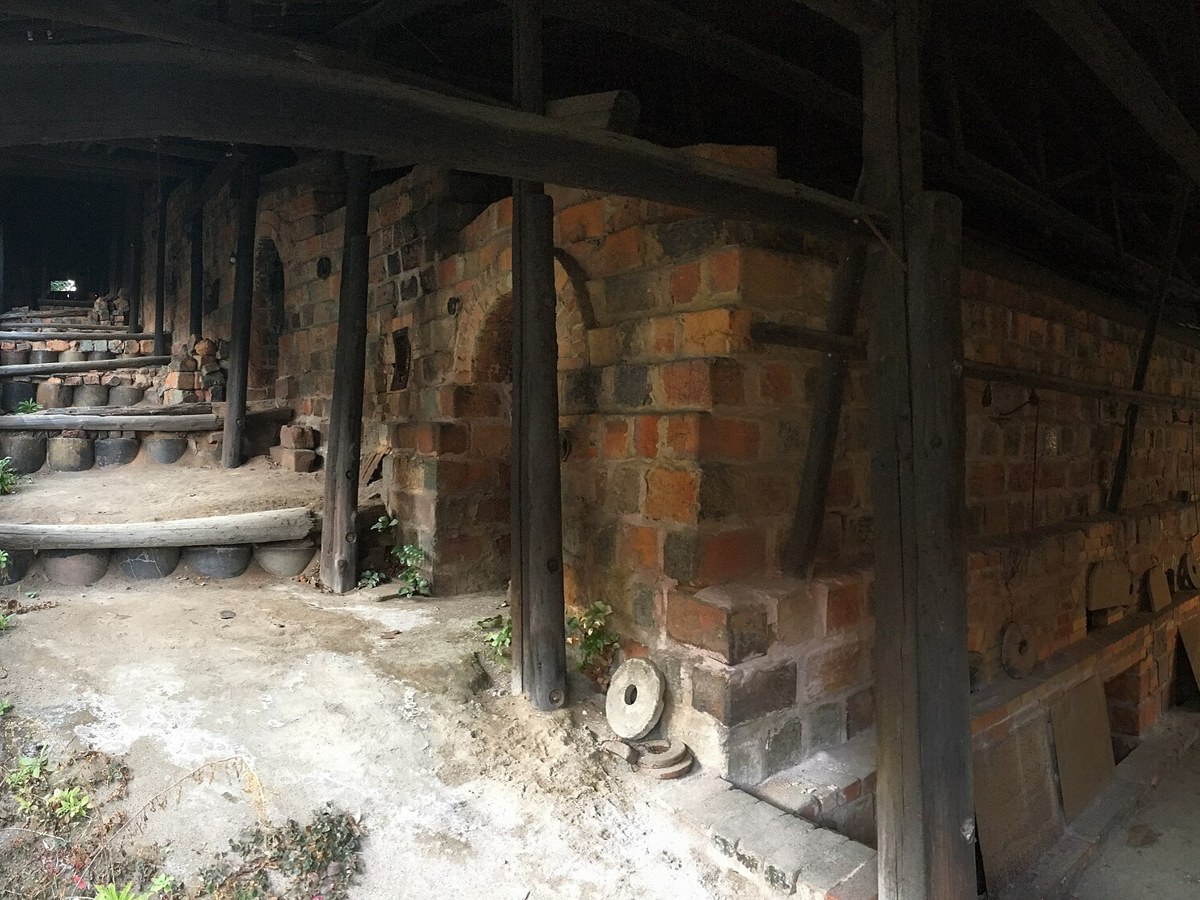
Karatsu faces the Genkai Sea in north-western Saga, and its name means the port to Tang China. The ware born here some 450 years ago is bound to the Korean campaigns of the 1590s: potters brought from the Korean Peninsula established kilns around Karatsu and introduced the noborigama, the multi-chamber climbing kiln, to Japan — the technology step that also made Arita's porcelain possible a generation later.
The name Karatsu ware appears in tea records by 1602, and the mid-17th century already speaks of Ko-Karatsu, Old Karatsu, as something valued and past. The ware declined as Imari porcelain rose, then was revived in the 20th century — above all by Nakazato Taroemon XII, designated a Living National Treasure in 1976, who recovered the old Ko-Karatsu techniques.
Iron clay and eight tempers
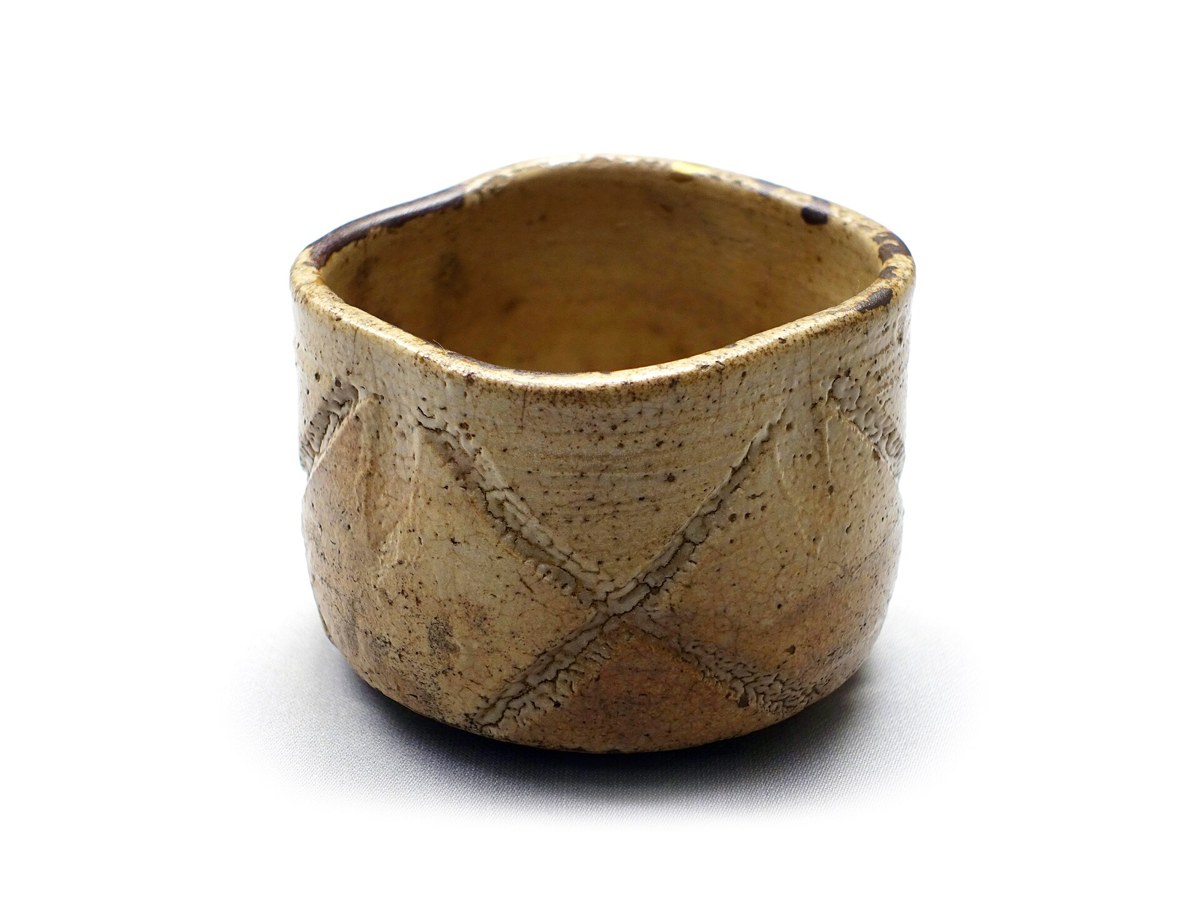
Karatsu clay is high in iron, and the ware wears it openly: earthy browns, iron-painted brushwork under ash glaze, surfaces that deepen as tea and use stain them. The family of styles is wide — picture-painted E-Karatsu, mottled straw-ash Madara-Karatsu, inlaid Mishima-Karatsu and the two-tone Chosen-Karatsu among the traditional eight sub-styles the guides count.
It began as everyday ware — rice bowls, plates, jars — and the tea ceremony adopted it for exactly that sturdiness and simplicity. The Nakazato family is the one line that has produced Karatsu ware continuously since the dawn of the style; today more than fifty makers work in and around the town, and restaurants there serve dinner on the local clay as a matter of course.
Practical details: buying in Karatsu
There is no standard Karatsu price, and this page does not invent one: bowls, plates and jars are working pottery priced by each kiln, from daily tableware up to master works. As a single checked anchor, a hanging vase by Nakazato Taroemon XIII — the 13th head of the continuous kiln — is listed by a Japanese craft dealer at ¥14,900.
Buy in Karatsu if you can: dozens of kilns and shops work the town, kiln visits run alongside the pottery trade, and the sake cups — guinomi — are the connoisseur's small way in, prized above most other styles in Japan according to one sake journal's Saga survey. A cup first, a bowl second, is the local order of temptation.
Third in the ranking, first in the kitchen
The famous ranking flatters Karatsu by placing it third, but the phrase has lasted because each of the three is a different virtue: Raku the sculpted tea bowl, Hagi the soft clay that changes, Karatsu the sturdy pot that never pretended to be anything but useful. Karatsu's beauty is the kind that survives the dishwasher era by predating it.
Set beside Arita in this collection, the two Saga towns complete each other: porcelain's white perfection from one port, stoneware's iron earth from the other, both owing their start to the same Korean kilns. Saga holds both ends of Japanese ceramics within one prefecture.
Scope: what 'limited' means here
The edition is the Karatsu kilns' ware: pottery made in and around Karatsu under its designated tradition, from its iron clays. Antique Ko-Karatsu and modern kiln work are distinguished on this page where it matters; dealer sales elsewhere do not change where the ware is made.
Sources — checked 9 November 2026
- Kyoto Nokaze: Karatsu ware — Kyushu's rough, tea-loved pottery
- Ginza Tenpyodo: Ko-Karatsu dictionary entry
- Sake Today: Saga ceramics
- Kominka Zakka: Nakazato Taroemon XIII Karatsu-ware hanging vase listing
- Japanese Craftpedia: Karatsu ware
Original prose and official links only; no source text or maker media reproduced. Photos are credited Creative Commons works, not product photographs.
Editorial review 2026-11-09