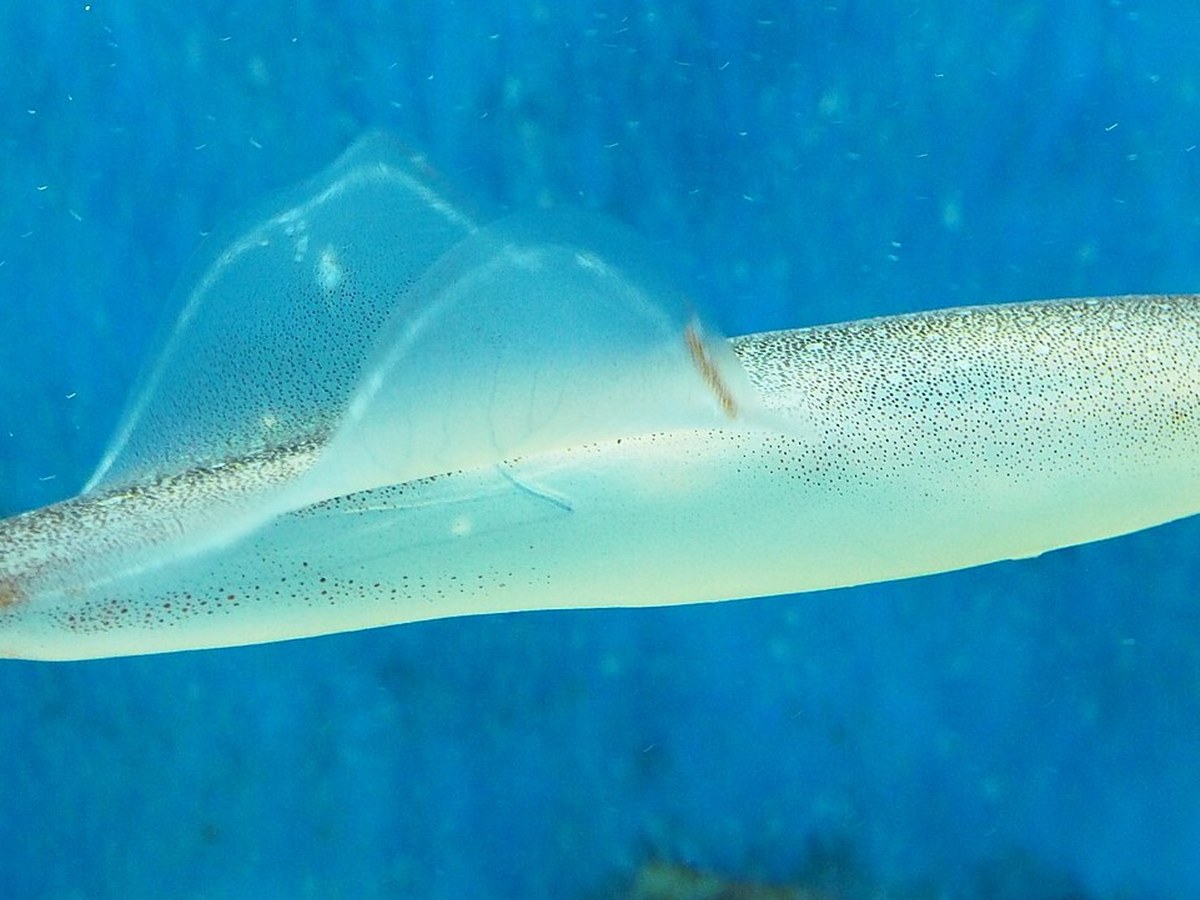
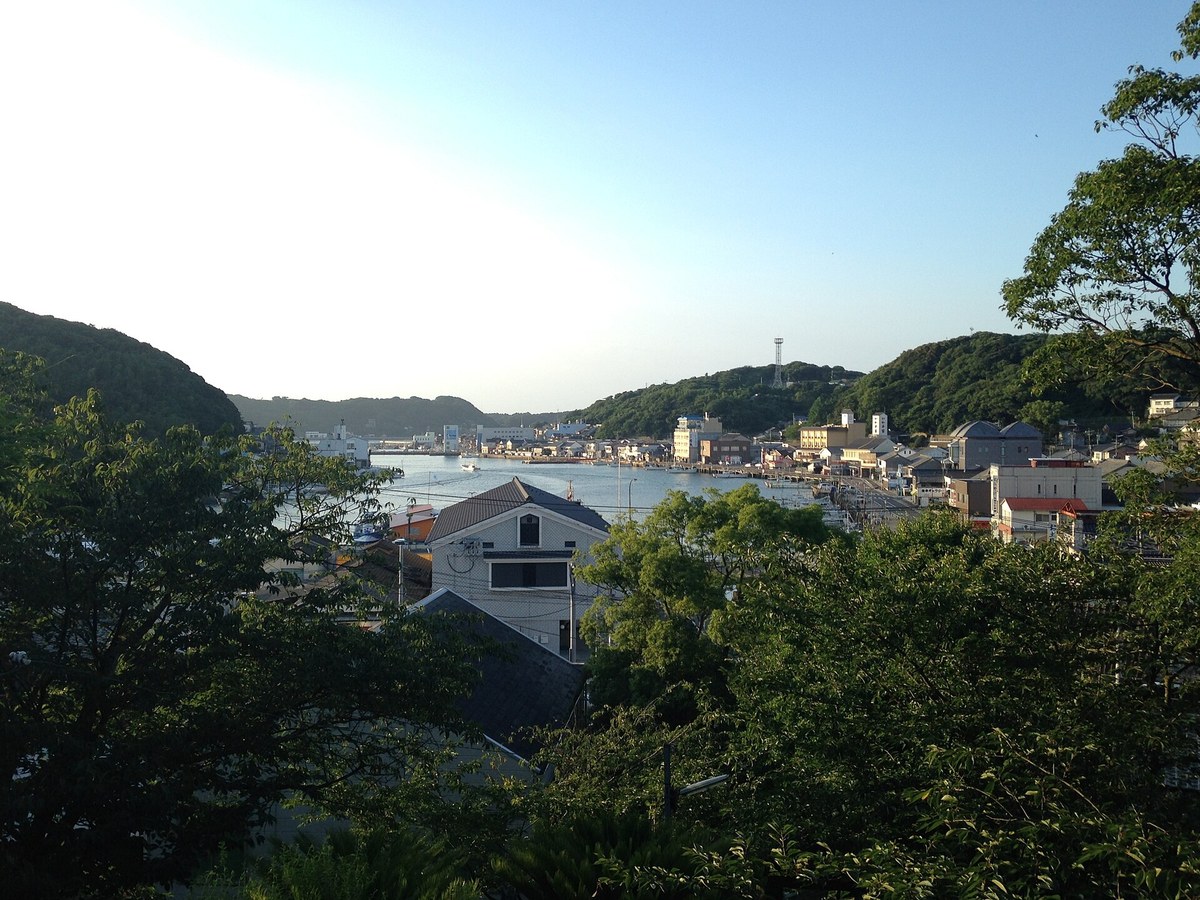
Some sashimi is fresh. Yobuko's is alive. In this small port on Saga's Genkai Sea coast, the squid comes out of the restaurant's tank still moving, is sliced in moments, and arrives at the table so transparent that the pattern of the plate shows through the flesh. The dish — ika no ikizukuri, live squid sashimi — was invented in Yobuko in the late 1960s, and the town has been Japan's squid capital ever since: several hundred thousand visitors a year come to a port most maps barely mark.
A dish that only works at the port
The fisheries record that registers Yobuko's yariika as a Pride Fish defines the dish by its place and its clock: squid such as spear squid, caught in the Genkai Sea around Yobuko, prepared and served while still alive and nearly transparent. The flesh turns white and its texture changes with time, so ikizukuri is meant to be eaten immediately after slicing — and, the record notes, it is mostly served at restaurants in Yobuko itself, which can preserve the freshness of squid immediately after it is landed.
The custom completes the animal: after the sashimi of the mantle, the remaining ears and legs come back as tempura or salt-grilled — the ato-zukuri, the 'after-making' — so nothing of the squid is wasted. A Yobuko ikizukuri is therefore two dishes from one squid, and both halves depend on the same minutes-from-the-water freshness.
Invented in the late 1960s
Squid fishing around Yobuko is ancient, but the signature dish is young: ikizukuri is said to have begun in the late 1960s, when a restaurant in Yobuko started serving live squid prepared and served immediately, and the sight of the transparent flesh trembling on the plate became a talking point. Neighbouring restaurants adopted it one after another until it stood for the whole town.
The best-known house tells an earlier origin for itself: Kawataro, whose founder in 1961 prepared freshly caught spear squid aboard a Yobuko fisherman's boat, calls itself the birthplace of live squid sashimi and Japan's first live-tank seafood restaurant. Around the restaurants grew the rest of the ritual — above all the Yobuko Morning Market, running for over a century along Asaichi-dori and counted in the guide records among Japan's three great morning markets, with Takayama and Wajima.
Three squids, three seasons
Which squid is in the tank turns with the year, on the shops' own seasonal record: yariika — the spear squid, called kensaki in its summer form — from late March to early December; mizuika, the bigfin reef squid (aori ika), from late November to mid-April; and kouika, the cuttlefish, from late January to the end of March. The Pride Fish registration attaches to the yariika, the classic ikizukuri squid, prized for its clean sweetness.
The discipline of the dish is that it cannot be scheduled. The town's restaurant survey is explicit: on days when weather or a poor catch keeps the boats in, ikizukuri may simply not be served. Several hundred thousand tourists a year accept that bargain — the market in the morning, the live squid when the sea allows.
Eating it at Kawataro
The checked restaurant record — a survey of seven Yobuko ikizukuri houses priced from the shops' official menus, checked in October 2026 — puts Kawataro's Yobuko shop at ¥3,850 including tax for the ika ikizukuri set: the live sashimi, the after-preparation tempura, squid shumai, clear and miso soups, pickles, rice and dessert; the ikizukuri alone is ¥2,420. Rival houses on the same survey sit within a few hundred yen (¥3,850–¥3,960), which tells you the town prices its signature honestly. Kawataro closes only at Obon and New Year, takes generally no reservations, and is cash only.
What to check before travelling: the day's squid (the species rotates by season) and the day's catch — call or check the shop's notices, because a storm in the Genkai Sea cancels the dish, not the restaurant. The morning market, 7:30 to noon every day except 1 January, is the consolation and the warm-up.
Sources — checked 12 November 2026
- Takumi Meguri (Pride Fish programme) — Yobuko Squid
- Konomachi Note — Seven Yobuko ikizukuri restaurants compared (prices from the shops' official menus; official information checked 18 October 2026)
- Konomachi Note — Yobuko weekend route (sources: shop official sites and the Karatsu Tourism Association, checked 21 October 2026)
Original prose and official links only; no source text or maker media reproduced. Photos are credited Creative Commons works, not product photographs.
Editorial review 2026-11-12