Between Oita and Ehime the Bungo Channel narrows to the Hoyo Strait, where the tide runs so fast the water has its own name: Hayasui-no-Seto, the swift strait. The mackerel that live in that current are fought for one at a time. Saganoseki's fishermen fish them by ippon-zuri — a single hook and line — keep them alive, and sell them under a name no other mackerel may use: Seki Saba. It is among the most famous brand fish in Japan, priced at two to five times an ordinary mackerel, and its paperwork is older than the whole idea of branded fish.
One hook, one strait, one cooperative
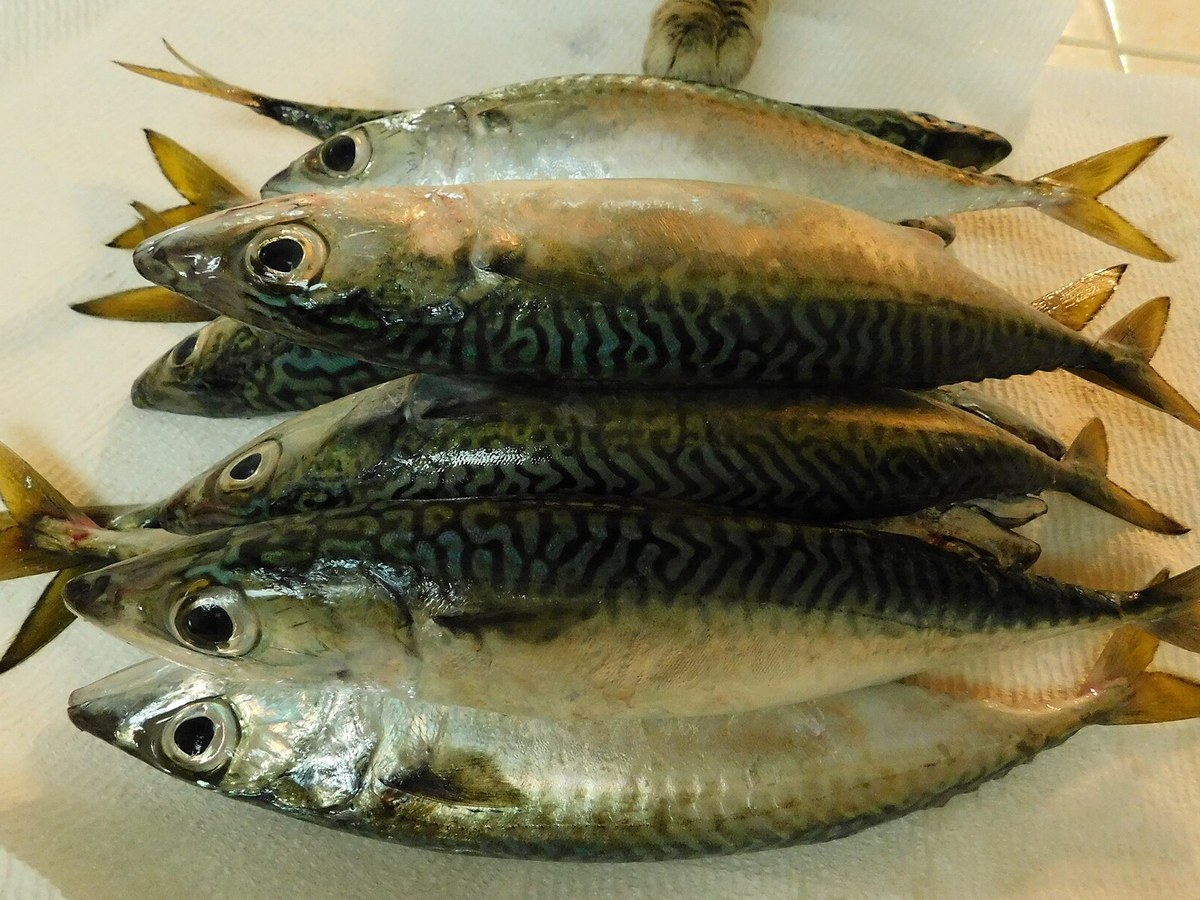
The rule that makes a Seki Saba is stated identically by the brand's own retail record: only the maaji and masaba caught by ippon-zuri — single-hook fishing — by members of the Saganoseki branch of the prefectural fisheries cooperative, in the Hoyo Strait off Saganoseki, may be called Sekiaji and Sekisaba. A net-caught mackerel from the same water fails the rule; so does a hook-caught fish from another port.
The handling continues the discipline. The sister brand's record describes the Seki method: fish kept alive after capture, priced by eye in the face-to-face tsuragai manner, rested a day, then bled by ikejime before shipping. Genuine fish carry the brand's tag seal under its regional collective trademark protection — the modern frame around a name the compilations date to a 1996 trademark registration, the first ever granted to a fishery product in Japan.
Why the strait makes the fish
Saganoseki faces the Bungo Channel between Oita and Ehime, and the Hoyo Strait at its mouth is one of Japan's great tidal races. A mackerel holding station in that current swims for its life around the clock: the flesh comes up firm rather than soft, and the fat, in season, is rich without greasiness — the compilations describe Seki Saba as firm-fleshed and richly fatty, fit to eat as sashimi where ordinary mackerel is cooked.
The season runs autumn to spring, with the fish at their fattest from December to March. That calendar, plus the one-hook catch limit, is why the brand never becomes plentiful: the compilations put Seki fish at two to five times the price of ordinary horse mackerel and mackerel, and note that a top Seki Saba can cost more than ten times an ordinary fish.
The first branded fish
Japan's regional fish brands — the whole modern category — effectively start here. The Saganoseki record kept by Nihon Mono describes how the branch moved to protect the fishermen's livelihoods against price swings in direct broker trading, with branding and trademark registration around the turn of the Heisei era; the Seki brands became the pioneers of branded fish in Japan, the template later copied from Hokkaido to Kagoshima.
The brand discipline is economic as much as culinary. Because the name is rationed by method and membership, a Seki fisherman's catch is priced as an individual fish, not as a commodity lot — the tsuragai, buying by eye, is the auction form of that idea, and it survives because the buyers can taste what the rule protects.
Buying Seki Saba
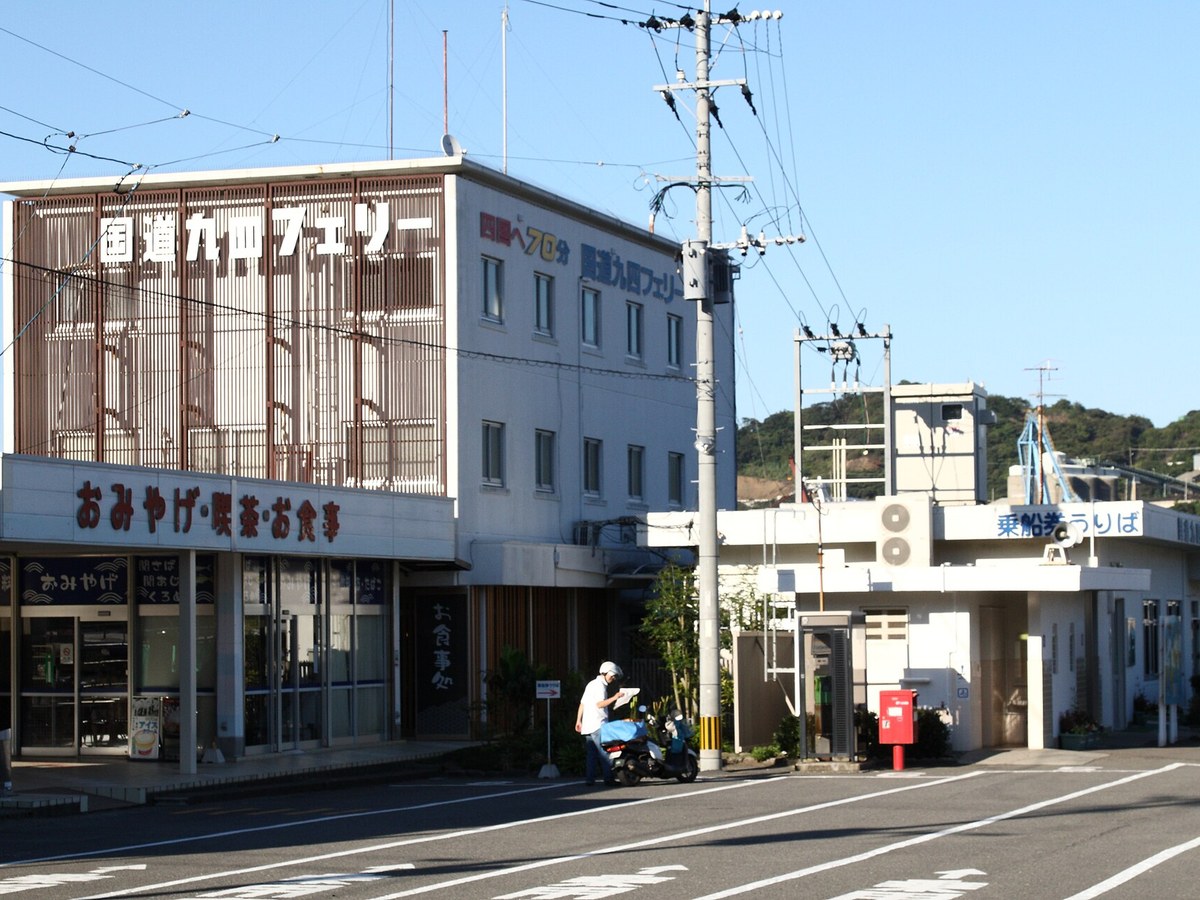
Fresh whole Seki Saba is a Saganoseki purchase — the brand's own restaurant at the port, the Seki Aji Seki Saba Kan, serves Seki saba sashimi at ¥1,980 and whole-fish sugata-zukuri presentations at ¥5,800 in the survey record. For delivery, the checked retail record is Asahi Broadcasting's Tabi Salad PLUS marche: a Seki aji / Seki saba special set for three — ryukyu (the Oita-style marinated sashimi) of both fish, 65 g × 3 packs each, plus a whole dried-overnight fish of each — at ¥12,900 including tax with shipping borne by the seller, produced in Saganoseki.
What to check on any 'Seki' listing: the cooperative rule in the small print (Saganoseki branch, ippon-zuri, Hoyo Strait) and, for whole fish, the brand's tag seal. 'Seki-style' mackerel without the rule is the strait's reputation without the strait's fish.
Sources — checked 12 November 2026
- Nihon Mono — Saganoseki Branch, Oita Prefecture Fisheries Cooperative
- Food in Japan — Seki saba research compilation
- Food in Japan — Sekiaji research compilation
- Asahi Broadcasting Tabi Salad PLUS marche — Seki aji / Seki saba special set (checked 12 November 2026)
Original prose and official links only; no source text or maker media reproduced. Photos are credited Creative Commons works, not product photographs.
Editorial review 2026-11-12