Most famous lacquerware wants to be treasured. Kishu lacquerware wanted to be used — by everybody, every day — and its makers in Kuroe, Kainan, engineered it accordingly: cheaper base coats, divided labour, sturdy vermilion ware priced for common households. The strategy worked so well that by 1883 this Wakayama district supplied 57% of Japan's lacquerware exports. It is Wakayama's second story here, and the practical way in is a workshop: paint your own maki-e tray at the industry hall for ¥2,000.
Bowls from a woodworkers' village
In the late Muromachi period, woodworkers settled in Kuroe and began turning bowls from the district's abundant hinoki cypress, coating them with persimmon tannin — the shibuji bowls that begin the tradition. The record follows quickly: a 1688 poetry reference names tannin-coated wooden bowls from Kuroe in Kii, and the 1712 illustrated encyclopedia Wakan Sansai Zue introduces the ware among Kii Province's famous products.
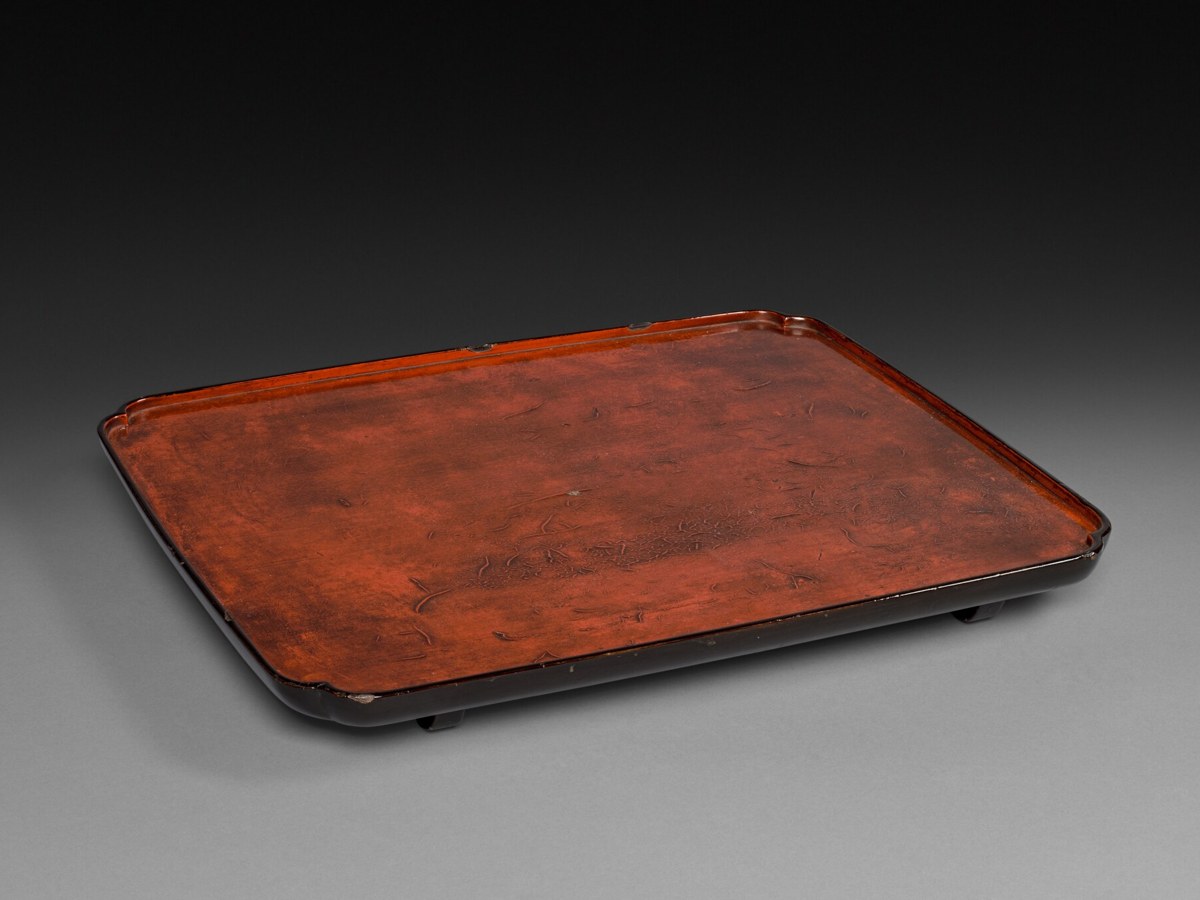
The related Negoro style hovers over the origin story. At Negoroji temple, monks' utensils — black lacquer under a final red coat — wore in use until the black showed through, and the wear itself was recognised as beauty; after the temple's destruction in 1585, its craftsmen are traditionally said to have fled to Kuroe, folding the temple's aesthetic into the village's industry. Designation as a national Traditional Craft came in 1978.
The affordability machine
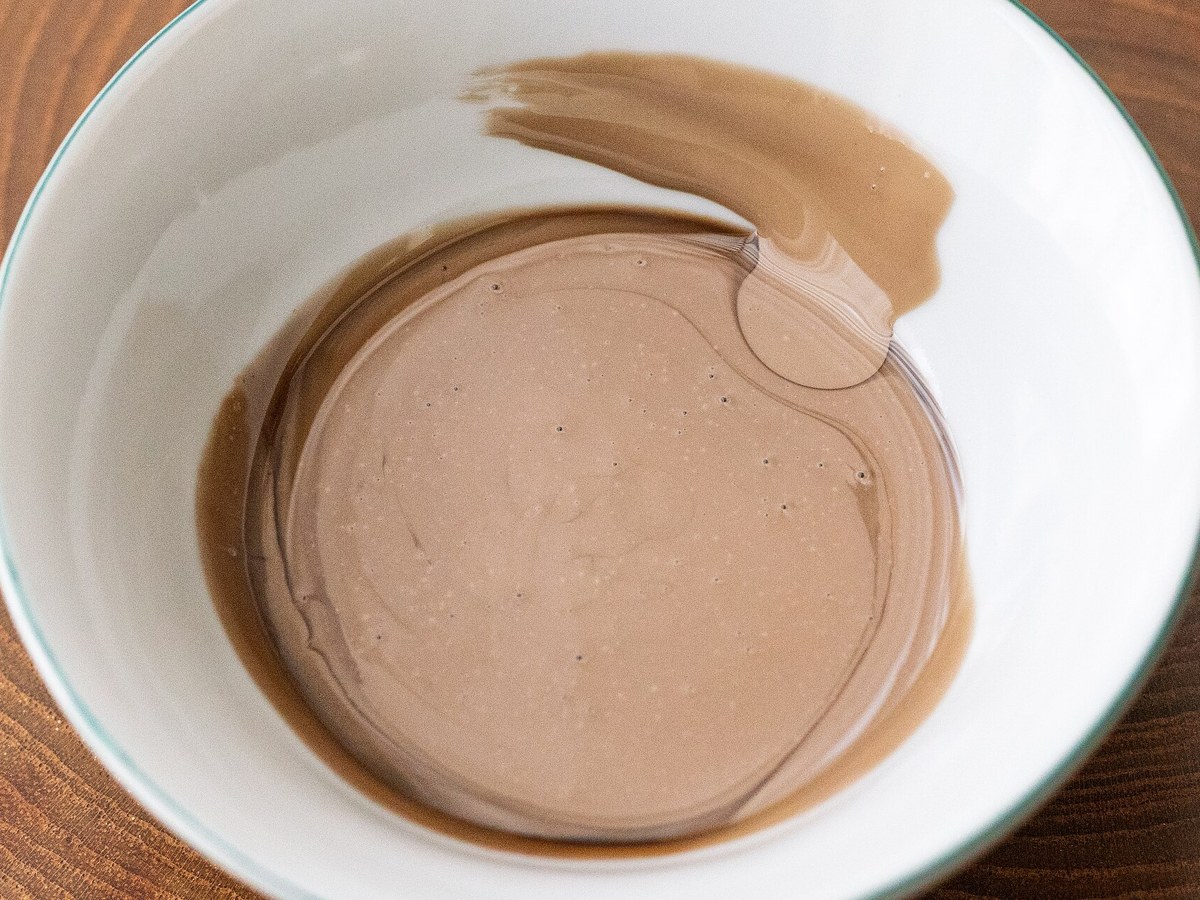
Kishu's invention was economic. In expensive lacquerware, lacquer fills every coat; in Kuroe, persimmon tannin and nikawa animal glue take the base coats and true lacquer is reserved for the finish. Around the middle of the Edo period the production process split into a division of labour, output climbed, and the ware — simple, sturdy, vermilion-bright — spread through ordinary households as few lacquer traditions ever had.
The Meiji export figures measure the result: by 1883, 57% of Japan's exported lacquerware was produced in Kii. The town of Kuroe itself, some 5,000 people around 1840, had become one of the country's major lacquer centres under the local daimyo's patronage — a production district built not on a court style but on a price ordinary people could pay.
Practical details: workshops and the November festival
The industry's own hall, the Uruwashikan in Kainan, runs maki-e painting experiences at materials-only prices: a round tray ¥2,000, an oval tray ¥2,500, a bento box ¥3,000 — individual sessions on weekend afternoons, groups by arrangement. In Kainan you can also make lacquered chopsticks with a Kishu craftsman from ¥4,400 through activity listings.
For buying, time it to early November: the annual Kishu Lacquerware Festival fills Kainan with the district wholesalers' booths — trays, bowls and chopsticks at special prices, from everyday pieces to fine work — with free shuttle buses from Kainan Station (the 38th festival ran 7–8 November 2026). In the Kuroe streets themselves, the converted lacquer merchant's house, Kuroe Nurimono-kan, serves food on lacquerware and runs Negoro polishing experiences among its displays.
Wear as a design
Negoro is the philosophy of this district in one surface: a red that expects to wear, over a black that expects to be revealed. The monks did not protect their bowls from use; they let use finish them, and the craftsmen who inherited the style learned to polish the wear in deliberately. In a lacquer culture built on flawless depth, Kuroe's second tradition made peace with time.
Set Kishu beside this collection's other lacquers — Aizu's decorated ware, Tsugaru's 48 polished layers — and its character sharpens. Aizu adds; Tsugaru buries and reveals by labour; Kishu reveals by use, and prices the revelation for a farmhouse kitchen. Three regions, three answers to the same question of what a surface is for.
Scope: what 'limited' means here
The edition is the designated craft tradition of the Kuroe district, stated with its modern complication: Kainan also produces resin-bodied, urethane-coated ware in volume, which this page does not present as the traditional craft. The workshop and festival prices are the industry hall's and the festival's own, and the history is the district's documented record from 1688 forward.
Sources — checked 9 November 2026
- Google Arts & Culture (Kyoto Women's University): Kishu lacquerware
- Japanese Traditional Culture Promotion Foundation: Kishu lacquerware
- NAVITIME: Lacquer maki-e experience, Uruwashikan (Kishu Lacquerware Traditional Industry Hall), Kainan
- Yahoo News Japan (WBS Wakayama): the 38th Kishu Lacquerware Festival, Kainan
- Neoterrain Journal: Kishu lacquerware and the Negoro craft of Kuroe, Wakayama
Original prose and official links only; no source text or maker media reproduced. Photos are credited Creative Commons works, not product photographs.
Editorial review 2026-11-09