Nara is landlocked, and its sushi wears a leaf instead of a freshness claim. Kakinoha sushi presses vinegared mackerel or salmon onto rice and wraps each piece in a persimmon leaf — fragrant, faintly antiseptic, and made to travel from the mountains. It is the prefecture's signature food, and its old house is Hiraso of Yoshino, founded in 1861, where a five-piece set in Nara City costs ¥1,450 and the sushi must rest a few hours before it is ready.
Sushi for a prefecture with no sea
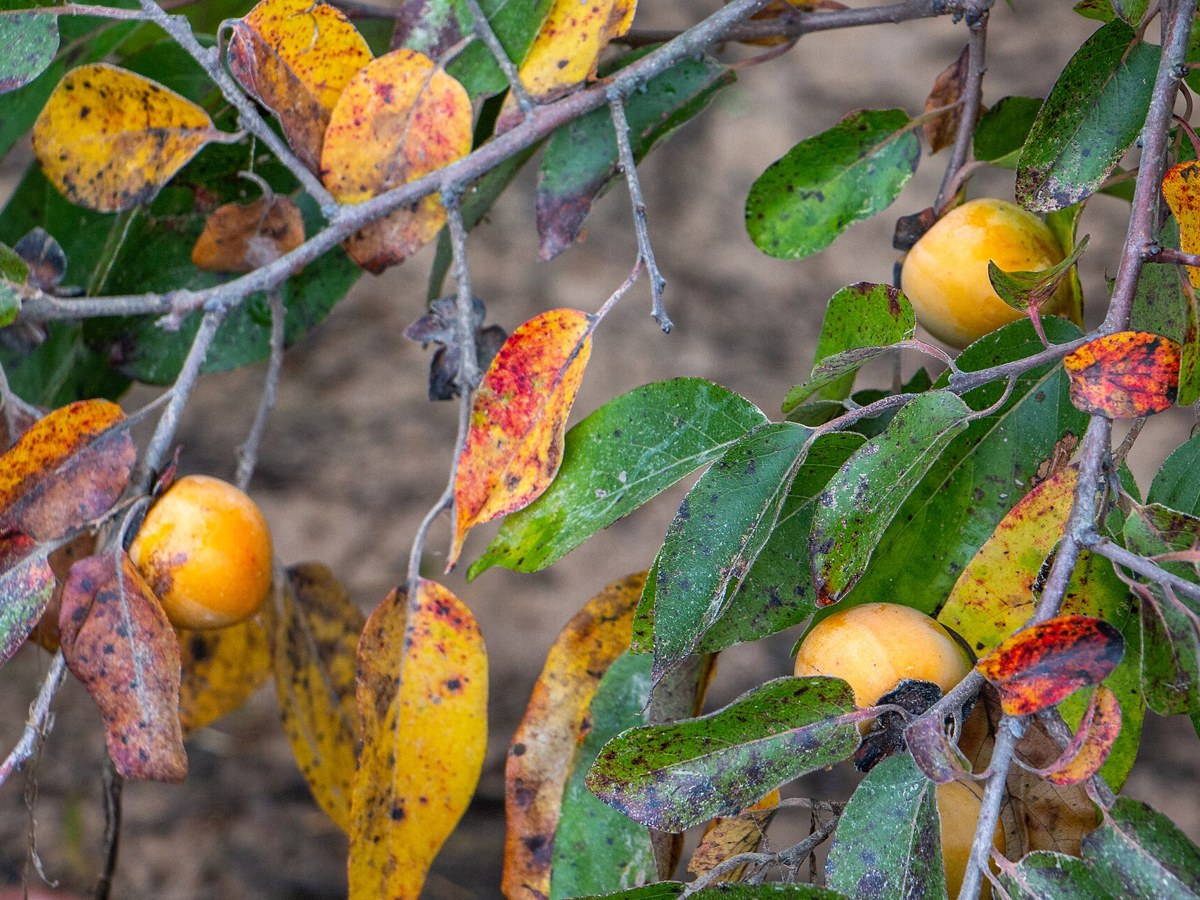
Pressed sushi is the inland answer to nigiri: the fish is cured in vinegar before it ever meets the rice, and the persimmon leaf then does three jobs at once — wrapper, aroma and preservative. In the mountain country of Yoshino, where sea fish arrived slowly and dear, that combination turned a luxury into a keepable, giftable food.
The leaf is not eaten. You unwrap it at the table, and the rice carries a ghost of its scent — green, tannic, faintly sweet. The pieces are pressed firm, cut clean, and they improve for their rest: a few hours of maturing marries the vinegar, fish and rice into one flavour, which is why every proper seller tells you not to eat them at once.
Hiraso: the 1861 house of Yoshino
Hiraso was founded in 1861 in Yoshino — the cedar-and-cherry mountain town south of the Nara basin — and built its name on this one product. Its shops now include the store on the approach to Horyuji Temple, and its Yoshino main store packages the sushi in Yoshino cedar boxes, the region's other famous material.
The house also teaches: its kakinoha-making experience has visitors shape the vinegared rice into bales, lay on mackerel and salmon, wrap each piece in its leaf and box twelve pieces to take home — the clearest possible demonstration that this is a craft of hands and timing, not machinery.
Practical details: prices, where to buy, keeping
Prices (checked 9 November 2026): at Kaki no Ha Sushi Hompotanaka's Nara main store, a set of five pieces cost ¥1,450 (documented in a 2025 visitor review); mixed assortment sets — mackerel, salmon, sea bream, shrimp and a seasonal piece — are the standard souvenir form across Nara's houses, priced by piece count. Hiraso's twelve-piece making experience is bookable through experience platforms.
Where to buy: Hiraso's Yoshino main store and Horyuji shop, kakinoha houses' main stores in Nara City (Hompotanaka among them), and station shops across the prefecture on the day. Keeping: fresh food — eat the same day or the next, after the few hours' rest the leaf asks for. Type of edition: regional edition — Nara's place-defined pressed sushi.
The patience is the flavour
First-time buyers make the same mistake: eating a piece in the shop doorway. Kakinoha sushi bought at noon is for the evening — the rest is not a serving suggestion but the second half of the recipe. Buy the box, see the temples, open it at home; the leaf will have done its work.
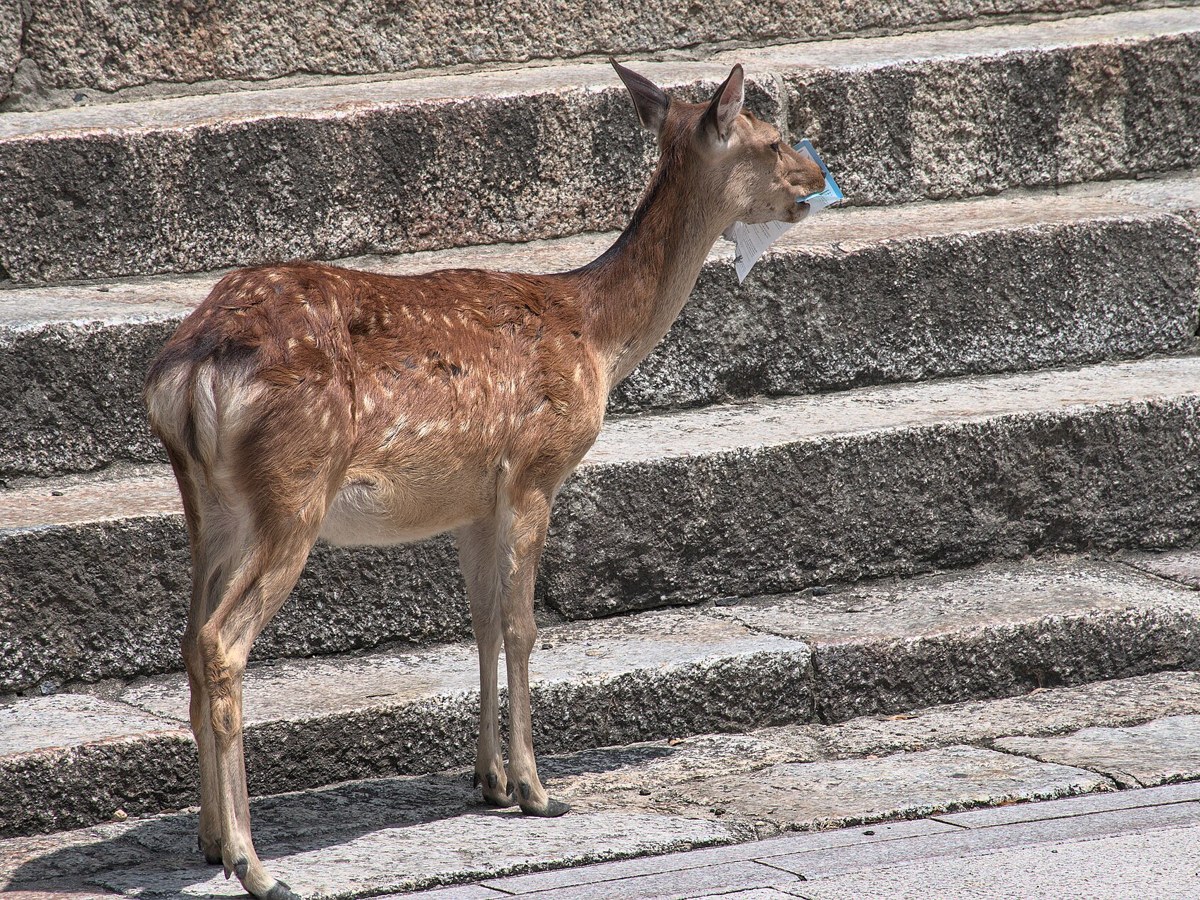
Between the fish, mackerel is the classic and salmon the gentler introduction; the mixed box is the right first purchase because the form, not the topping, is the discovery. Nara's deer get the photographs — this is the prefecture's edible souvenir, older than the tourist trade and built for exactly the journey you are making.
Scope: what 'limited' means here
Kakinoha sushi is documented as Nara's place-defined pressed sushi, with Hiraso (1861, Yoshino) as its documented house. Other Nara houses make their own versions; chilled sales beyond the prefecture exist and are stated. Checked 2026-11-09. It is fresh food with a keeping time of a day or two.
Sources — checked 9 November 2026
- KKday: Nara Yoshino persimmon-leaf sushi making experience at Hirasou (founded 1861)
- TripAdvisor: Kaki no Ha Sushi Hompotanaka, Nara main store — reviews and prices
Original prose and official links only; no source text or maker media reproduced. Photos are credited Creative Commons works, not product photographs.
Editorial review 2026-11-09