Japan's benchmark plum was born in one Wakayama town. The Nanko ume, selected in Minabe in the last century, grows bigger, thinner-skinned and thicker-fleshed than other varieties, ripening to a peach-like aroma — and salted and dried, it becomes the umeboshi against which others are judged. In Minabe you can tour the works and make your own; a 500-gram box of organic Wakayama Nanko umeboshi costs ¥2,880.
Minabe, home of the Nanko
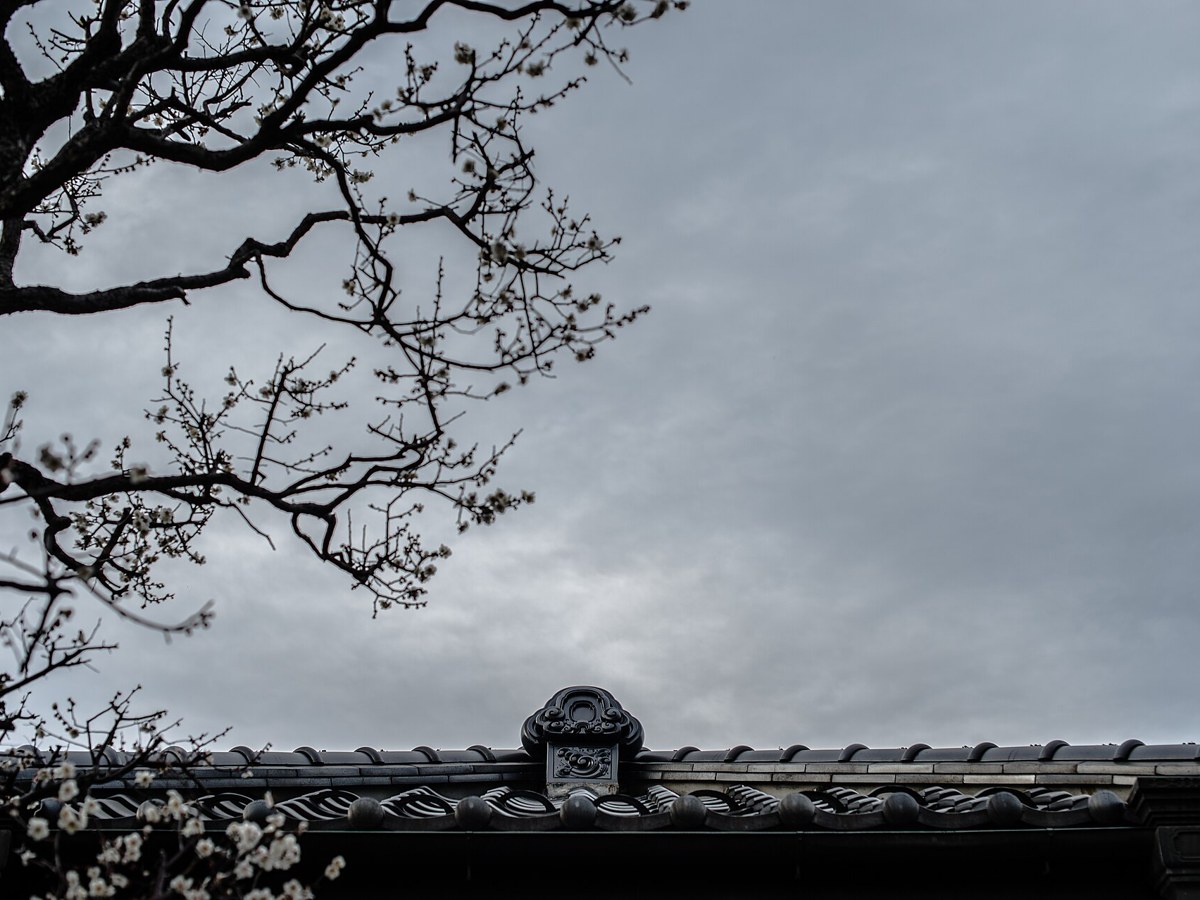
Ume country in Wakayama is the old Kishu province's southern coast, where the Kuroshio current keeps winters mild. Minabe and Tanabe are its heartland: orchard slopes above the sea, a promotion centre in Minabe telling the variety's story, and the mother-tree tradition that ties the Nanko variety to a single local tree selected for its fruit.
The variety's virtues are physical. A Nanko plum is large, its stone sits in thick flesh under a skin thin enough to soften completely in the pickle, and fully ripe fruit smells faintly of peach. For umeboshi that means a plump, yielding pickle rather than a shrivelled one; for umeshu it means aroma the spirit can carry.
From fruit to the red pickle
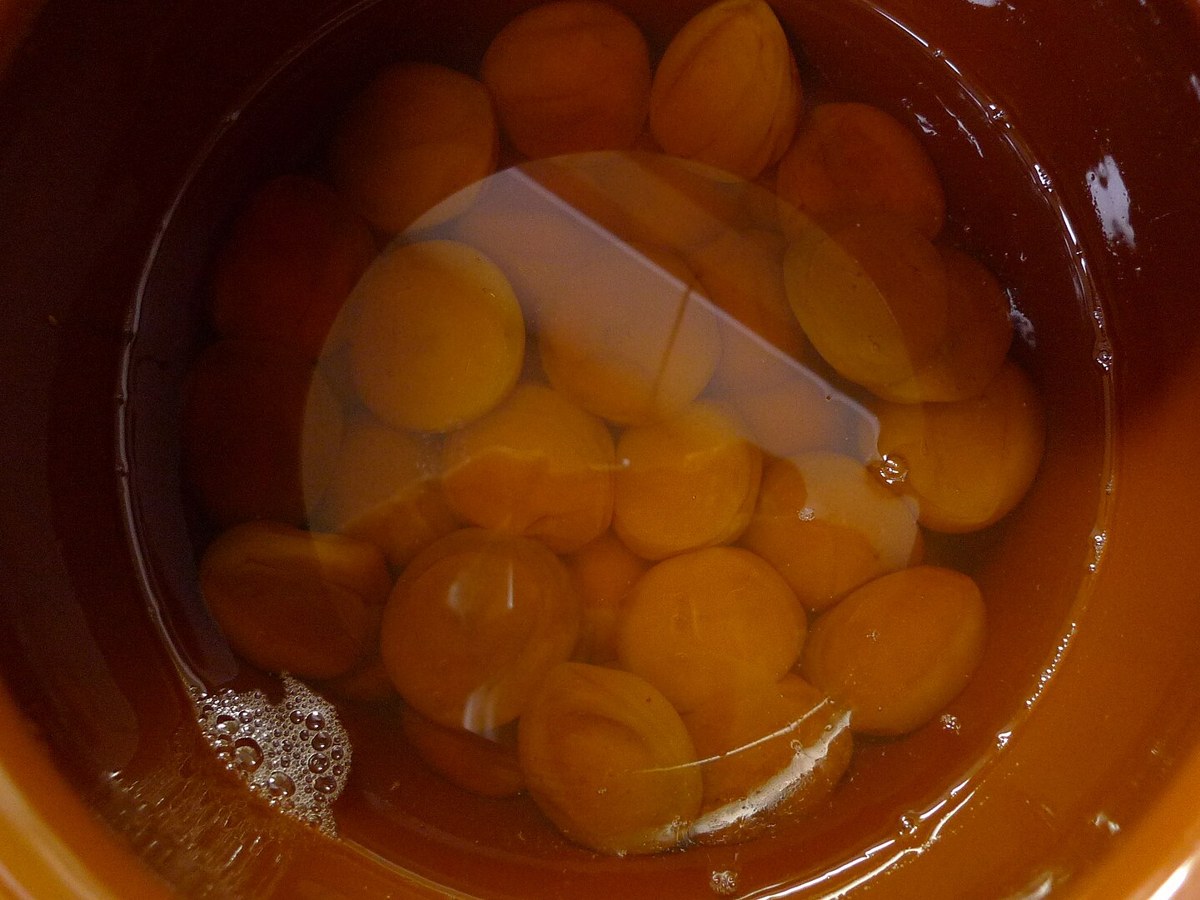
Umeboshi making is a calendar: fruit picked in June, salted down, coloured with red shiso, then sun-dried — traditionally in high summer — and matured. The traditional product is ume and salt and nothing else, sour enough to pucker; the modern market adds honey and low-salt versions, which are gentler and are labelled as such.
The documented anchor product here is the strict kind: an organic, JAS-certified Nanko umeboshi from Takeuchi Farm in Tanabe — Wakayama-grown organic fruit and salt, additive-free — the pickle as its home prefecture's purists make it. It is a useful benchmark precisely because nothing has been done to soften it.
Practical details: prices, where to buy, experiences
Prices (checked 9 November 2026): organic Nanko umeboshi (Takeuchi Farm, Tanabe) is ¥2,880 for the Grade A 500 g box and ¥2,880 for a Grade B 1 kg pack at Kawashimaya's Japan Store — grade is appearance, not flavour. Ordinary Kishu Nanko umeboshi at supermarkets sits well below these organic anchors.
Where to buy: Minabe and Tanabe first — the Kishu Umeboshi-kan in Minabe runs a free self-guided factory tour and a shop; its umeboshi- and umeshu-making workshops are ¥3,000 and ume-juice ¥2,000 from November 2026. Wakayama station and antenna shops stock the prefecture's makers, and Wakayama product sells online nationwide. Type of edition: regional edition — a Wakayama-born variety in its home ground.
Sour is the point
First-time eaters should be warned fairly: a traditional umeboshi is one of the sourest foods in Japan, salty behind the sour, and it is meant to be eaten in flakes against plain rice, not bitten like a plum. The hinomaru bento — one red pickle on white rice — is this fruit's national portrait.
As a souvenir, Wakayama's version carries its geography honestly: the variety's birthplace, the orchard towns, the June calendar. Buy the strict salt-only box in Minabe or Tanabe if you want the benchmark; buy a honey version for the friend you are converting.
Scope: what 'limited' means here
Documented scope: Nanko ume grown in Wakayama — the variety's birthplace prefecture — and the umeboshi made from it, centred on Minabe and Tanabe. Nanko grown elsewhere and nationwide retail are stated. Checked 2026-11-09. Salt levels and grades vary by maker.
Sources — checked 9 November 2026
- Japan Fruits (source: umekan.com): Kishu Umeboshi-kan, Minabe — Nanko home ground, factory tour and workshop fees
- Kawashimaya The Japan Store: Organic Nanko umeboshi Grade A 500 g (Takeuchi Farm, Tanabe, Wakayama)
- Deep Emotion (Visit Wakayama-linked): Wakayama umeshu and ume culture — Nanko originated in Minabe
Original prose and official links only; no source text or maker media reproduced. Photos are credited Creative Commons works, not product photographs.
Editorial review 2026-11-09