Nobody planted Hyuganatsu. Sometime in the 1820s a strange citrus sapling was found growing in a garden in Miyazaki — too sour, the garden's owner thought, until a carpenter working on the roof ate one in summer and found it good. Grafted and spread, it took the name of the province itself: Hyuga, Miyazaki's ancient name, plus natsu, summer. Two hundred years later it is Miyazaki's signature citrus, and it is still eaten its own way — the yellow skin pared thin like an apple's, the fluffy white pith left on and eaten with the flesh.
Named for the province it appeared in
The variety record is precise about the name and the place: Hyuganatsu — Citrus tamurana — takes 'Hyuga' from the ancient name of Miyazaki Prefecture in Kyushu, where the citrus is said to have originated, and 'natsu', summer, for its season-defying brightness. A hyuganatsu sapling was said to have suddenly been found in a Miyazaki garden sometime in the 1820s, after which it became widely cultivated throughout the region.
What it is, botanically, nobody has settled: the record carries two theories — a mutated yuzu, or, more likely on the cited authority, a chance hybrid between yuzu and pomelo. The fuller garden account names the cast: the seedling in Magata Yasutaro's Miyazaki garden in 1820, the carpenter Takazuma Chibei who ate the fruit one summer, took a branch home and grafted it — and by 1887 the name 'hyuganatsu' was in common use.
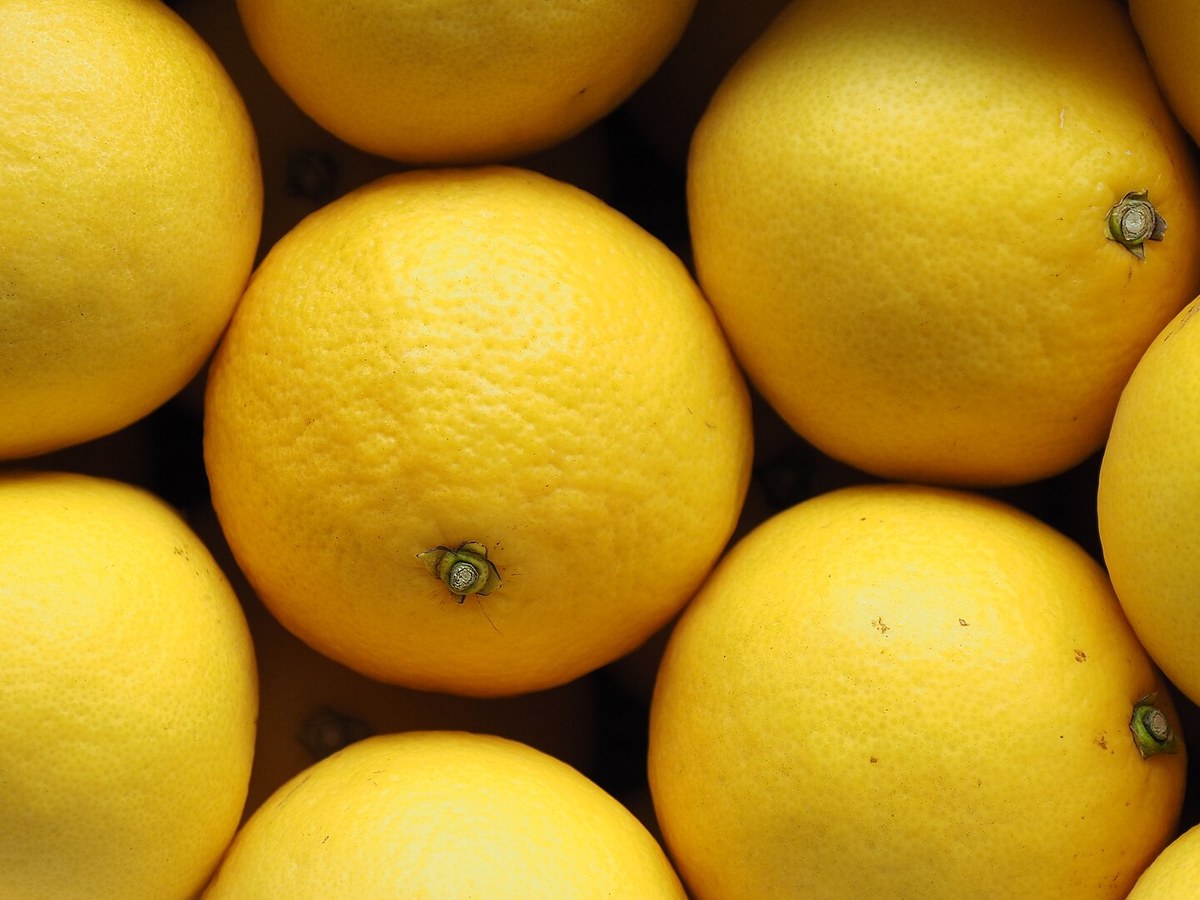
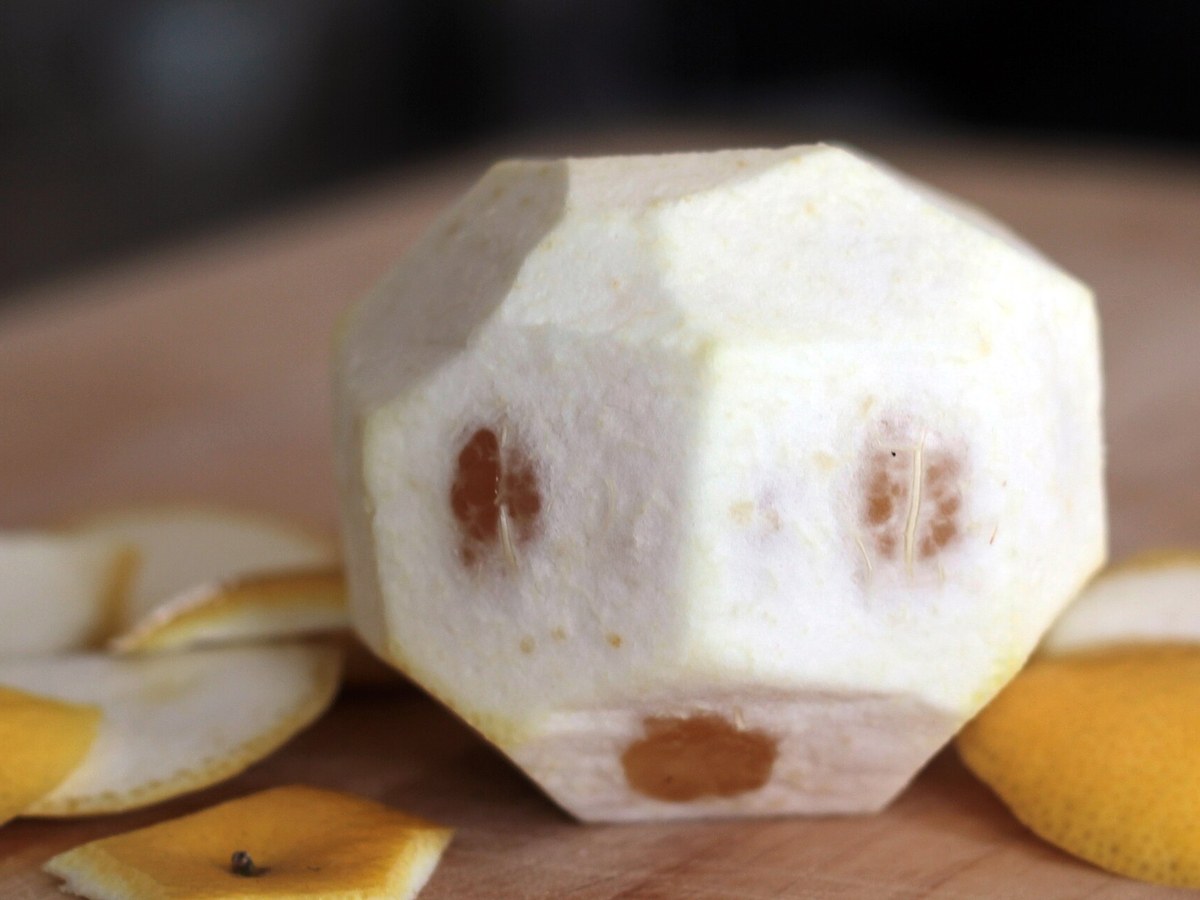
The citrus you eat with its pith
Every other citrus throws its white pith away as bitterness. Hyuganatsu is eaten by the opposite rule, which the JA Aya Town listing states as a warning: do not peel it with your fingers — pare the yellow skin off thinly with a knife, as you would an apple, and eat the fluffy white inner skin together with the fruit. The pith is sweet and spongy; the flesh inside is brisk and tart; the two halves of the flavour only arrive together.
The season runs against the name: house-grown seedless fruit comes first, in winter, and the open-field crop — the seeded, sharper original — follows from February, announcing spring. The 2026 season opened with a first auction in Miyazaki City where about 1.2 tons from Miyazaki City and Aya Town were sold and the top 5 kg box made ¥15,000, the highest first price in five years; shipments run to the end of May.
Aya, the organic town's citrus
Much of the crop grows on Miyazaki's coast, and one inland town has made it a philosophy: Aya, which has farmed organically for over thirty years under its own 1988 ordinance promoting natural and ecological farming, counts hyuganatsu among its signature crops. Miyazaki's climate does the rest — the prefecture has among the highest sunshine hours in Japan, and the food-culture record describes the coastal hyuganatsu fields working that light all winter.
At the wholesale end the fruit is graded and boxed like a gift citrus: the Miyazaki central market's March sheets show open-field hyuganatsu trading by the 5 kg box, with gift boxes at the top of the sheet — a spring fruit with a gift economy, not a commodity afterthought.
Buying hyuganatsu
The checked retail record is the JA Aya Town listing on ANA's furusato portal: seeded hyuganatsu, 5 kg, advance orders, at a ¥21,000 donation with free shipping — the furusato framing is the price form, and the same portal lists the seedless house fruit at 2.5 kg for ¥15,000. In season (February to May) Miyazaki growers and the prefecture's catalogues sell the same fruit in ordinary gift boxes; the wholesale gift-box level, ¥2,700–¥3,240 for 5 kg on the March 2026 market sheet, is the floor the retail prices stand on.
What to check on any box: Miyazaki origin and the variety name — and then eat it correctly. Pare the yellow zest thin, keep the white pith, slice, and eat pith and flesh together, seeds minded in the seeded fruit. A hyuganatsu peeled like a mikan is half the fruit thrown away.
Sources — checked 12 November 2026
- Hyuganatsu — variety record (Wikipedia, after Hodgson, The Citrus Industry, 1967)
- Kyoto Foodie — Hyuganatsu, Miyazaki (garden account from the Japanese record)
- ANA Furusato — JA Aya Town seeded hyuganatsu 5 kg (checked 12 November 2026)
- TBS News DIG — First auction of open-field hyuganatsu (2026 season)
- Miyazaki Central Wholesale Market — daily fruit sheet, 10 March 2026
- Shun Gate — Sun-coloured Hyuganatsu from Aya, the town of organic farming
Original prose and official links only; no source text or maker media reproduced. Photos are credited Creative Commons works, not product photographs.
Editorial review 2026-11-12